Confinement Food in Singapore: A First-Timer's Guide for Expats
If you're expecting your first baby in Singapore and someone has mentioned confinement food, you've probably got questions. What exactly is it? Is it compulsory? Will you be eating sesame oil chicken for a month straight? This guide breaks down everything a first-timer — especially one who didn't grow up with this tradition — needs to know before baby arrives.
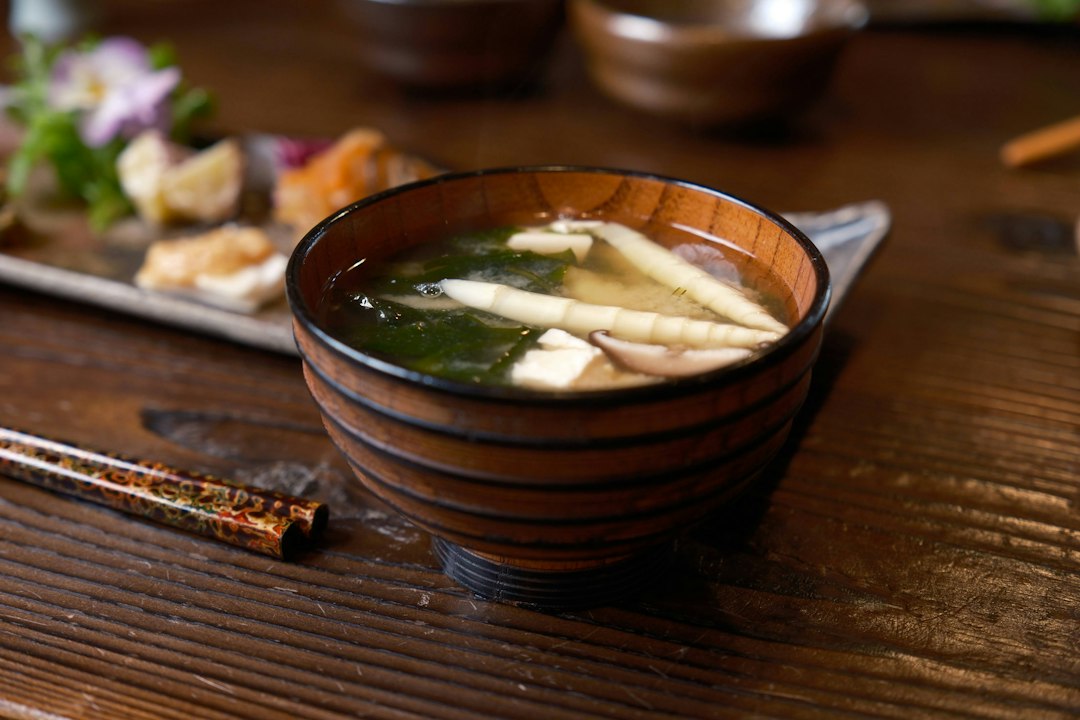
What Is Confinement Food, Really?
"Confinement" refers to the traditional 28-to-30-day postnatal recovery period observed by many Chinese (and increasingly non-Chinese) families in Singapore. During this time, new mothers are encouraged to rest at home, avoid cold drinks and aircon drafts, and eat a specific diet designed — according to Traditional Chinese Medicine (TCM) principles — to help the body "warm up," expel "wind," rebuild blood, and support breastfeeding.
In practice, confinement food is a structured meal plan, usually three meals plus two snacks a day, cooked with ingredients like ginger, sesame oil, red dates, black vinegar, wolfberries, and various herbs sourced from Chinese medicinal halls. It's not just "Asian food" — it follows a logic where early days focus on expelling wind and blood clots (think ginger-heavy dishes), while later weeks shift toward nourishing soups and tonics to boost milk supply and energy.
You don't have to be Chinese or even believe in the TCM philosophy to benefit — many expat mums try it simply because the food is nutrient-dense, warming, and genuinely helps with recovery fatigue. It's become common enough that even Indian, Eurasian, and Western families in Singapore order confinement meals or hire confinement nannies who cook them.
How the Process Works, Step by Step
1. Decide between a confinement nanny or a food delivery service
There are two main routes:
- Confinement nanny ("confinement lady"): Lives with you for the full month, cooks all meals fresh, does baby care, and handles light household duties. Costs roughly SGD 3,000–5,500 for 28 days, depending on experience and whether she's local or from Malaysia/China.
- Confinement food delivery: A catering service delivers pre-portioned meals to your door daily, usually twice a day (lunch and dinner, sometimes with soup separately). This costs roughly SGD 1,000–2,200 for a full 28-day package, far cheaper than a live-in nanny, and ideal if you already have help with the baby or a supportive partner/parent at home.
Many expat families go with food delivery since hiring a confinement nanny on short notice (especially without local contacts) can feel daunting. You can find Confinement Food providers on KakiList who deliver island-wide, from Tanglin and Bukit Timah to Punggol and Sengkang.
2. Book early — ideally by your second trimester
Good confinement caterers and nannies get booked out 2–3 months in advance, especially around popular due-date seasons. Don't wait until week 36 to start calling around.
3. Choose your package and menu style
Most providers offer tiered packages (Basic, Premium, Deluxe) that differ by ingredient quality (e.g. whether they use organic chicken or premium bird's nest), number of dishes per meal, and add-ons like herbal baths or postnatal massages. Some now offer Western-friendly or halal-certified confinement menus too — worth asking if you have dietary restrictions.
4. Confirm delivery logistics
Ask about delivery windows (usually lunch by 12pm, dinner by 6pm), whether containers are reusable or disposable, and what happens on public holidays — some caterers pause service, others deliver double portions the day before.
What to Expect on the Day
Your first confinement meal typically arrives within 1–3 days of discharge from the hospital (most Singapore mums deliver at KKH, SGH, Mount Alvernia, or Thomson Medical, then go home to start confinement). Expect:
- A hot soup (double-boiled, often in a thermal flask to keep temperature)
- 2–4 main dishes — think pig's trotter with black vinegar, papaya fish soup, or sesame oil chicken
- A portion of rice, sometimes red rice or brown rice for extra fibre
- A herbal tea or tonic drink for milk supply (like red date and longan tea)
Don't be alarmed if the food tastes stronger or more medicinal than usual Singaporean hawker fare — that's intentional. Most providers will ask you to rate meals in the first week and adjust seasoning or portion sizes accordingly.
Typical Costs at a Glance
| Service Type | Duration | Price Range (SGD) |
|---|---|---|
| Confinement food delivery (Basic) | 28 days | 1,000 – 1,400 |
| Confinement food delivery (Premium) | 28 days | 1,500 – 2,200 |
| Confinement nanny (local) | 28 days | 3,500 – 5,500 |
| Confinement nanny (Malaysia/China, via agency) | 28 days | 3,000 – 4,200 |
For context, if you're coming from the US or UK, this might feel like an unusual expense on top of hospital bills — but factor in that it replaces almost all grocery shopping and cooking for a month, which adds up anyway with a newborn in the house.
Jargon Decoder
- Confinement lady / nanny: A trained caregiver who cooks confinement meals and helps with newborn care, usually live-in.
- TCM (Traditional Chinese Medicine): The philosophical basis for most confinement diets, focused on balancing "heatiness" and "wind."
- Angmoh-friendly menu: A term some caterers use (informally) for milder, less herb-heavy meal options suited to Western palates.
- Confinement herbs packet: Pre-bundled dried herbs (often bought at shops like Eu Yan Sang) used in soups — included in most catering packages.
- Postnatal massage / herbal bath: Common add-ons, not food-related, but often bundled with confinement nanny packages.
What a Good First Experience Looks Like
A solid confinement food provider will check in with you after the first few days, allow menu swaps for allergies or dislikes, deliver punctually even during rainy season traffic jams, and provide clear, itemised invoices upfront — no surprise charges for "extra" herbs or packaging. If a provider is vague about their menu rotation or can't tell you exactly what's in each dish, that's a red flag.
Most importantly, trust your own body. If a dish feels too rich, too salty, or just not your thing, it's fine to ask for substitutions — confinement food should support your recovery, not become another source of stress during an already overwhelming first month.

Ready to Book?
With dozens of confinement food and nanny providers across Singapore — from Chinatown-based traditional caterers to modern, dietitian-approved meal services in Orchard — it pays to compare before committing to a 28-day contract. Get free quotes from verified providers on KakiList and find a confinement food plan that actually fits your household, budget, and taste buds.
Need help finding the right provider?
Get free, no-obligation quotes from verified confinement food providers in Singapore.
Get Free Quotes →