Ultimate Guide to Confinement Food in Singapore 2026
20 May 2026 · 8 min read · Confinement Food
TL;DR: Quick Guide to Confinement Food in Singapore
Confinement food in Singapore ranges from SGD 800-2,500 per month depending on your provider. Choose between confinement nannies who cook (SGD 80-120/day), catering services (SGD 25-45/meal), or hiring a dedicated confinement food cook (SGD 1,200-2,000/month). Book 2-3 months ahead, especially if you're particular about dietary requirements. Most providers follow Traditional Chinese Medicine (TCM) principles focusing on "warming" foods and avoiding "cooling" ingredients.
What is Confinement Food?
If you're new to Singapore, the concept of confinement food might seem unfamiliar. In Chinese tradition, the postpartum period (called "坐月子" or "sitting the month") involves a strict 30-day recovery period where new mothers follow specific dietary guidelines to restore their body's balance and promote healing.
Confinement food focuses on:
- "Warming" ingredients like ginger, red dates, and sesame oil
- Avoiding "cooling" foods such as raw vegetables, cold drinks, and certain fruits
- Protein-rich meals to support milk production and recovery
- Herbal soups designed to cleanse the body and boost energy
Even if you're not Chinese, many expatriate families in Singapore choose confinement food services for the convenience and nutritional benefits during those exhausting first weeks with a newborn.
Types of Confinement Food Providers in Singapore
Confinement Nannies (All-in-One Option)
Most confinement nannies include cooking as part of their service package. This is often the most popular choice among expat families because you get childcare expertise plus meal preparation.
Cost: SGD 80-120 per day (includes cooking, baby care, and light housework)
Pros: Experienced with newborns, can adjust meals based on your recovery, teaches baby care
Cons: More expensive, need to accommodate live-in help
Confinement Catering Services
Several companies in Singapore specialize in delivering ready-made confinement meals to your doorstep. Popular providers include Tian Wei Signature, NouRiche, and Relacto.
Cost: SGD 25-45 per meal, SGD 800-1,400 per month for 3 meals daily
Pros: No live-in arrangements needed, professional kitchens, variety of menu options
Cons: Less flexibility, reheating required, limited customization
Dedicated Confinement Cook
You can hire someone specifically to come to your home and prepare fresh confinement meals. They typically visit 2-3 times per week to batch cook.
Cost: SGD 1,200-2,000 per month
Pros: Fresh meals, customizable to your preferences, can teach you recipes
Cons: Need to source ingredients, less convenient than delivery
What to Expect: Typical Confinement Meals
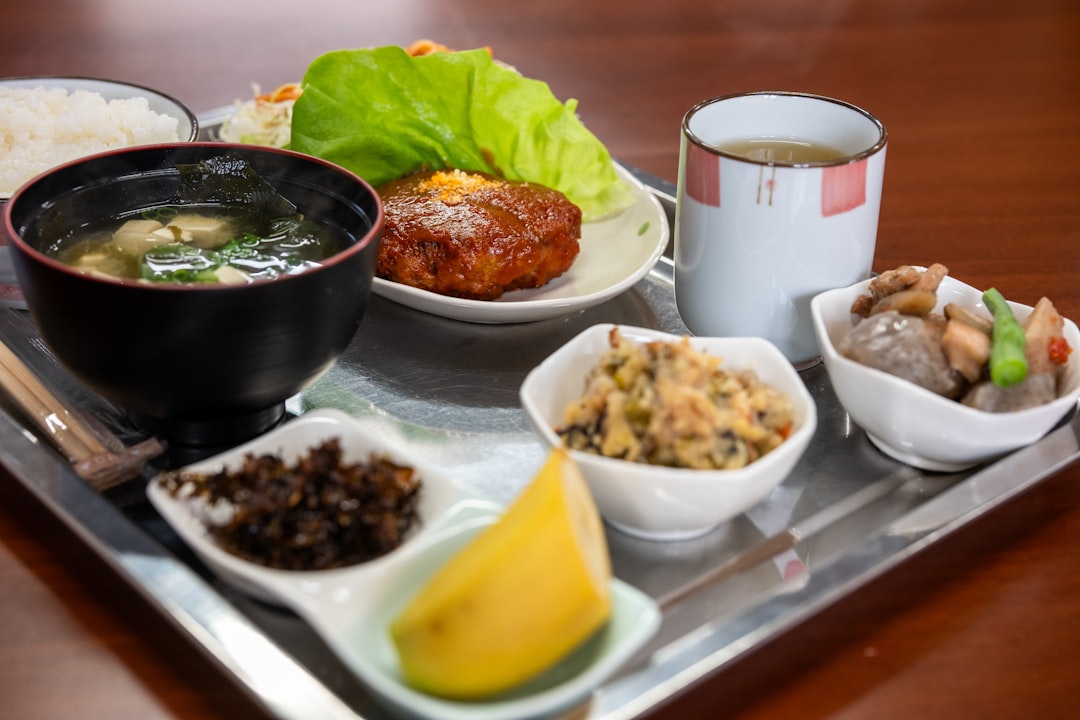
Confinement food in Singapore typically includes three main meals plus two snacks daily. Here's what you can expect:
Common Dishes
- Red date tea - sweet, warming drink consumed throughout the day
- Sesame oil chicken - signature confinement dish cooked with lots of ginger
- Fish soup - usually with papaya or tofu to promote milk production
- Pig's trotters with black vinegar - rich in collagen for healing
- Herbal soups - different combinations for energy, blood circulation, and recovery
- Brown rice or millet porridge - easier to digest than white rice
Foods to Avoid
Traditional confinement diets eliminate:
- Cold or raw foods (salads, sashimi, cold drinks)
- "Cooling" fruits like watermelon, oranges, and pears
- Spicy foods that might affect breast milk
- Coffee and alcohol
Don't worry if this seems restrictive - experienced providers know how to make these meals delicious and varied within traditional guidelines.
Choosing the Right Provider: What to Look For
Experience and Credentials
Look for providers with:
- Minimum 3-5 years of confinement food experience
- Good references from previous clients (ask for contacts)
- Food safety certification - especially important for catering companies
- Understanding of dietary restrictions if you have allergies or preferences
Menu Variety and Customization
A good confinement food provider should offer:
- 14-28 day rotating menu to prevent boredom
- Flexibility for dietary needs (halal, vegetarian, allergies)
- Portion size adjustments based on your appetite
- Clear ingredient lists so you know what you're eating
Logistics and Reliability
Consider practical factors like:
- Delivery timing - can they accommodate your schedule?
- Packaging quality - meals should arrive fresh and properly sealed
- Communication - responsive to messages and concerns
- Backup plans - what happens if the cook is sick?
Red Flags to Avoid
Be cautious of providers who:
- Can't provide references from recent clients
- Refuse to share sample menus or ingredient lists
- Don't ask about your dietary restrictions or health conditions
- Demand full payment upfront without trial periods
- Operate from unlicensed kitchens (important for catering services)
- Can't explain the reasoning behind their meal choices
Cost Breakdown: Budgeting for Confinement Food Singapore
| Provider Type | Daily Cost | Monthly Total | What's Included |
|---|---|---|---|
| Confinement Nanny | SGD 80-120 | SGD 2,400-3,600 | Cooking + baby care + housework |
| Premium Catering | SGD 40-50 | SGD 1,200-1,500 | 3 meals + 2 snacks delivered |
| Standard Catering | SGD 25-35 | SGD 750-1,050 | 3 meals delivered |
| Dedicated Cook | SGD 40-65 | SGD 1,200-2,000 | Fresh cooking 2-3x weekly |
Remember that choosing a confinement nanny gives you the highest value since cooking is just one part of their comprehensive service.
Booking Timeline and Tips
When to Book
Start your search during your second trimester (weeks 20-24). Good providers get booked up quickly, especially experienced confinement nannies. If you're planning to deliver at popular private hospitals like Mount Elizabeth or Raffles Hospital, book even earlier.
Questions to Ask Potential Providers
- Can you accommodate my due date flexibility (babies don't follow schedules!)?
- What happens if I need to extend or shorten the service period?
- Do you provide meals for other family members?
- How do you handle food that I don't like or can't eat?
- What's your policy for public holidays like Chinese New Year?
Alternatives for Non-Traditional Families
Not every family wants to follow traditional confinement practices. If you prefer a more flexible approach:
- Request "fusion" menus that incorporate Western nutritional principles
- Ask for smaller portion trials before committing to full packages
- Consider part-time arrangements - perhaps just dinner delivery while you handle breakfast and lunch
- Look for providers experienced with expatriate families who understand cultural differences
Making Your Decision
The best confinement food provider for your family depends on your priorities:
- Choose a confinement nanny if you want comprehensive support and don't mind live-in help
- Go with catering services if you value convenience and privacy
- Hire a dedicated cook if you want maximum customization and fresh preparation
Whatever you choose, remember that this investment in your postpartum recovery is worth it. Those first weeks with a newborn are challenging enough without worrying about nutritious meal preparation.
Ready to find the perfect confinement food solution for your family? Get free quotes from verified providers on KakiList and compare options that fit your needs and budget.

Need help finding the right provider?
Get free, no-obligation quotes from verified confinement food providers in Singapore.
Get Free Quotes →