Real Stories: Installing EV Chargers at Home in Singapore
If you've recently bought an electric vehicle in Singapore — or you're thinking about it — you've probably realised that getting a charger installed at home isn't quite as simple as it sounds. Whether you live in a landed house in Bukit Timah, a condo in Tanglin, or an HDB flat in Punggol, the process, paperwork, and price tag can look very different. We spoke to three Singapore households (composite profiles based on common experiences) about how they actually got their EV charger installation done — the good, the frustrating, and the surprisingly cheap.
Case Study 1: The Landed Home Owner in Sembawang
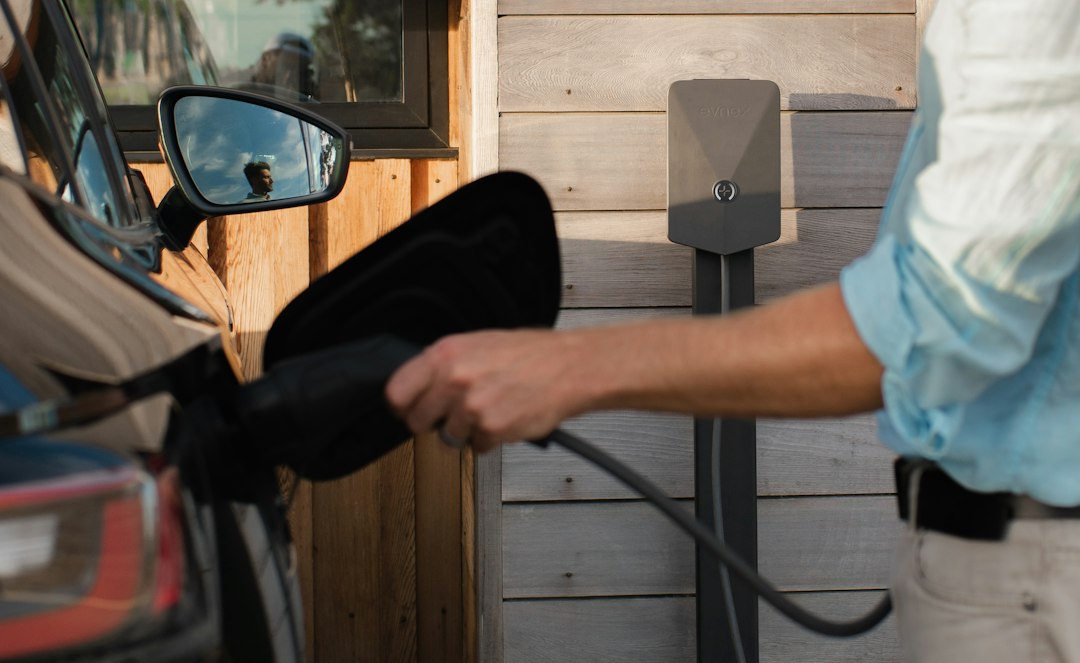
Raj and his wife, both in their early 40s, moved from a condo rental into a semi-detached house in Sembawang two years ago — a popular move for growing families who want their own driveway and garden without the price tag of Bukit Timah or Holland Village. When they bought a Hyundai Ioniq 5 last year, installing a home charger felt like a no-brainer since they had their own private parking space.
Because they own the property outright, they didn't need any Management Corporation Strata Title (MCST) approval — a huge relief compared to friends in condos. Raj got three quotes from licensed electrical contractors registered with the Energy Market Authority (EMA), as any EV charger wiring work in Singapore must be done by an EMA-licensed electrical worker.
- Charger type: 7.4kW AC wallbox
- Installation cost: S$2,200 (including cabling upgrade from the main switchboard)
- Timeline: 3 weeks from quote to completion
- Extra cost: S$450 to upgrade their existing electrical load, since older landed homes often have a 60A supply that needs a bump-up for EV charging
What Raj learned: always ask upfront whether your home's electrical load can support a charger without an upgrade. His neighbour assumed it would be a straightforward S$1,500 job, only to discover mid-installation that the switchboard needed replacing too, adding another S$600 and two extra weeks.
Case Study 2: The Condo Family in Holland Village
Mei Ling and her husband live in a condo near Holland Village — a neighbourhood popular with expat and local families alike for its cafes, international grocers, and proximity to the Circle Line MRT. They own two car park lots and decided to install a charger for their new BYD Atto 3 in late 2025.
This is where things got complicated. Unlike landed properties, condo owners need MCST approval before any EV charger can be installed in shared car park areas. Many Singapore condos have signed up for government co-funded EV charger programmes under the EV Common Charger Grant, but older developments (built before 2020) sometimes lack the electrical infrastructure to support multiple chargers without a costly common area upgrade.
Mei Ling's MCST took almost four months to approve her application, partly because the management committee had to commission a feasibility study on the building's electrical capacity. Here's what the process and costs looked like:
| Item | Cost (SGD) |
|---|---|
| MCST administrative/application fee | $300 |
| Charger unit (7.4kW) | $1,400 |
| Installation + dedicated submeter | $1,800 |
| Cabling run from switchroom to lot | $900 |
| Total | $4,400 |
That's roughly double what Raj paid in his landed home, mainly because of the longer cable run from the shared switchroom and the dedicated submeter required so the condo management can bill her separately for electricity usage. Mei Ling's advice to other expats: start the MCST conversation the moment you decide to buy an EV, not after the car arrives. Approval timelines of three to six months are common, and some MCSTs cap the number of chargers allowed per block until the building does a wider electrical upgrade.
Case Study 3: The HDB Family in Punggol
Faridah and her husband live in a 4-room BTO flat in Punggol, a newer town known for its waterfront parks and family-friendly layout. As HDB residents, they couldn't install a private charger at their own parking lot the way landed or condo owners can — HDB car parks are public infrastructure, not privately owned.
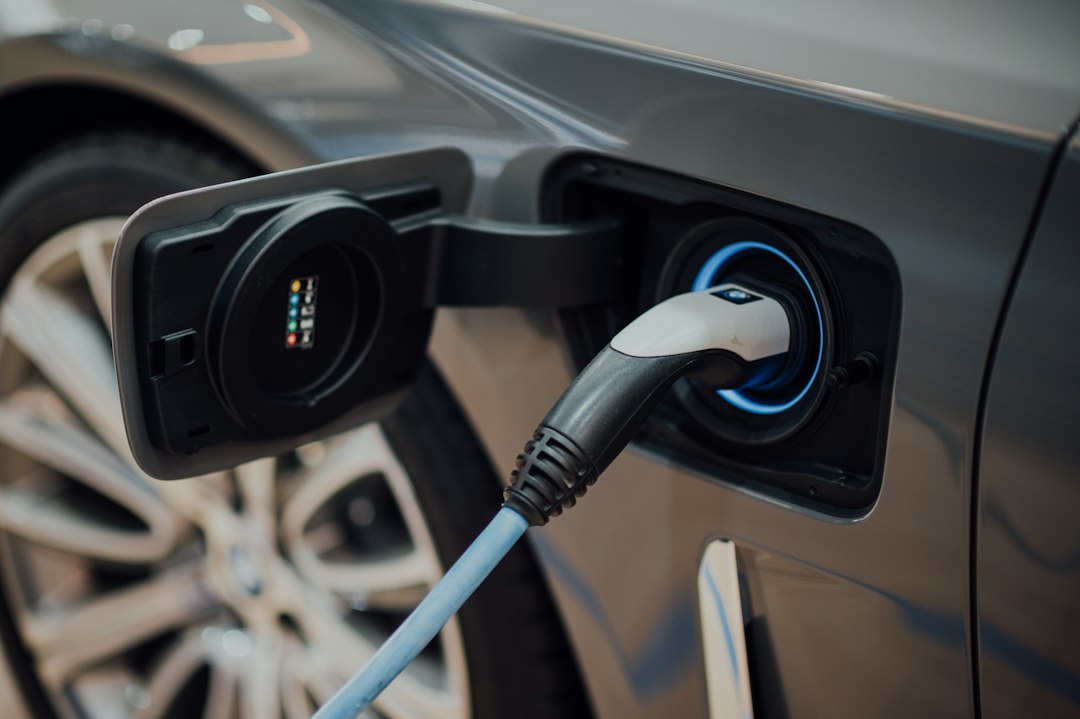
Instead, they relied on the HDB and LTA's EV charger rollout under the national EV charging plan, which aims to have charging points across most HDB towns. Punggol already has several SP Mobility and Charge+ charging points scattered across multi-storey car parks. Faridah's family didn't install anything themselves — they simply registered for a mobile app (SP Mobility or similar) and started charging their Nissan Leaf at a communal point roughly 400 metres from their block.
- Upfront installation cost: S$0 — it's public shared infrastructure
- Charging cost: around S$0.50–S$0.60 per kWh, averaging S$25–S$35 per full charge
- Convenience trade-off: no guaranteed lot right outside their block; sometimes a 5–10 minute walk
What Faridah learned: HDB residents shouldn't expect a private home charger like landed or condo owners get. Instead, it's worth checking your town's charger density on the LTA OneMotoring portal before buying an EV, since coverage still varies — mature estates like Toa Payoh or Ang Mo Kio have fewer points than newer towns like Punggol or Tengah.
Shared Lessons Across All Three Stories
Despite very different housing types, a few lessons kept coming up again and again:
- Always use an EMA-licensed electrician — unlicensed wiring work is illegal and can void your home insurance.
- Check your electrical load before committing to a quote — older homes and older condos often need upgrades that add S$400–S$900 to the final bill.
- MCST approval takes time — condo owners should apply at least three to six months before they need the charger.
- HDB residents rely on public infrastructure — there's no private installation option, so charging convenience depends heavily on your estate.
- Get multiple quotes — prices for similar 7.4kW wallbox installations ranged from S$2,200 to S$4,400 across our three households, a gap big enough to justify shopping around.
If you're navigating your own EV charger installation journey — whether you're in a landed home, a condo, or trying to make sense of HDB's public charging network — it helps to compare options from contractors who actually understand Singapore's regulations. Find EV Charger providers who are EMA-licensed and experienced with MCST applications, so you don't end up like Mei Ling's neighbour who had to redo wiring work twice.
Ready to get your own EV charger installation sorted? Get free quotes from verified providers on KakiList and compare real prices before you commit.
Need help finding the right provider?
Get free, no-obligation quotes from verified ev charger providers in Singapore.
Get Free Quotes →