Holistic Wellness in Singapore: The Ultimate Guide (2026)
TL;DR: Holistic wellness covers everything from TCM and acupuncture to yoga, reiki and sound baths. Expect to pay about S$30 to S$300 per session depending on the type. Check credentials (TCM practitioners must be registered with the TCM Practitioners Board), ask about the first-session process, and run when anyone promises to "cure" serious illness. Scroll down for the full breakdown and a simple decision flow.
Okay, confession time. Between back-to-back meetings, BTO renovation stress and that 11pm "just one more episode" habit, a lot of us are running on fumes. No wonder holistic wellness Singapore searches keep climbing.
But the scene can be a bit of a maze. Is acupuncture the same as tuina? Is reiki legit? Why does one reflexology shop charge S$30 and another S$120? Paiseh to ask your friends? Don't worry, we got you.
Image credit: Unsplash
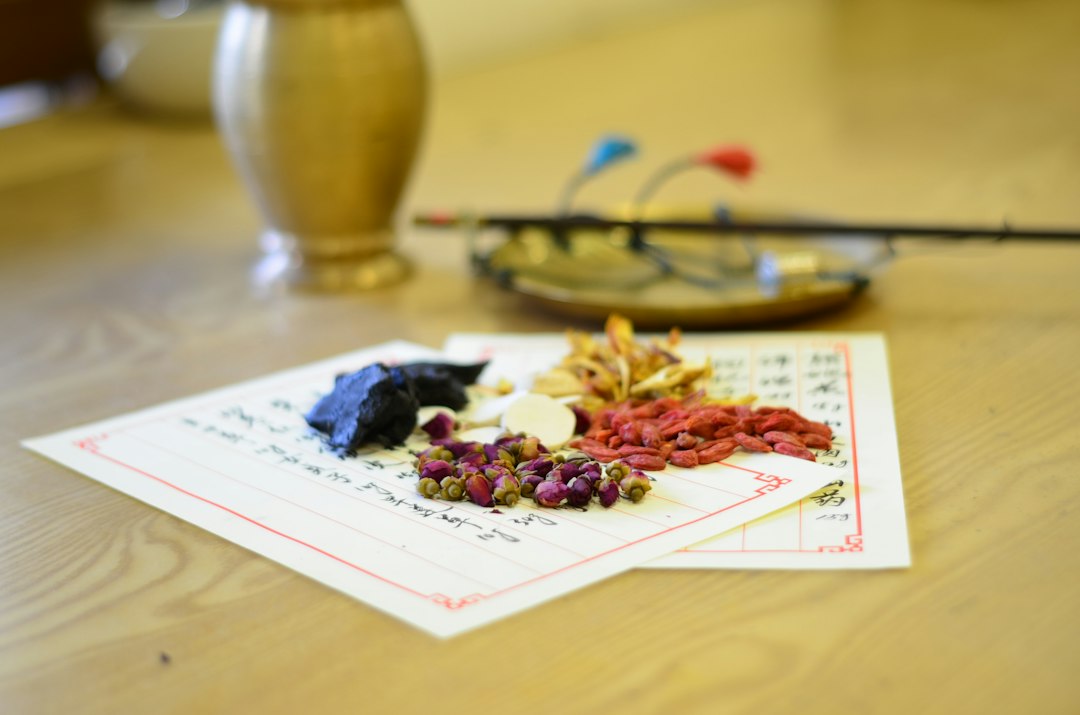
1. So What Counts As "Holistic" Anyway?
"Holistic" simply means treating the whole person (body, mind, lifestyle) instead of just one symptom. In Singapore, the most common options fall into these buckets:
- Traditional Chinese Medicine (TCM): consultation, herbs, acupuncture, cupping, tuina.
- Body therapies: reflexology, Ayurvedic massage, Thai or Malay traditional urut.
- Mind-body practices: yoga, pilates-adjacent classes, meditation, breathwork, tai chi.
- Energy and sound work: reiki, sound baths, crystal healing.
- Nutrition and naturopathy: functional nutrition, herbal protocols, gut-health coaching.
Pro tip: Holistic is meant to complement your GP, not replace them. Got chest pain, persistent fever or unexplained weight loss? See a doctor first, then explore the rest.
2. How Much Does It Cost? (Real SGD Ranges)
Prices vary by neighbourhood. A heartland clinic in Toa Payoh or Bedok will usually cost less than a studio in Orchard or Tanjong Pagar. Here's a rough guide for 2026:
| Service | Typical Price (SGD) | Session Length |
|---|---|---|
| TCM consultation (excl. herbs) | S$30 to S$80 | 15 to 30 min |
| TCM herbal prescription | S$20 to S$80 per few days' supply | n/a |
| Acupuncture | S$60 to S$150 | 30 to 45 min |
| Cupping or tuina | S$40 to S$120 | 30 to 60 min |
| Foot reflexology | S$30 to S$90 | 45 to 60 min |
| Ayurvedic massage | S$100 to S$180 | 60 to 90 min |
| Reiki | S$80 to S$180 | 45 to 60 min |
| Yoga (drop-in) | S$25 to S$45 | 60 min |
| Sound bath or group meditation | S$40 to S$100 | 60 to 90 min |
| Naturopath or functional nutrition (first visit) | S$150 to S$300 | 60 to 90 min |
ICYMI: many studios offer trial packages (think S$30 to S$60 for your first class or session). Package deals of 5 to 10 sessions can save 10 to 25%, but never pay for a big bundle before trying a single session. Kiasu for a reason!
3. 6 Things To Look For In A Provider
- Proper registration. TCM physicians and acupuncturists in Singapore must be registered with the TCM Practitioners Board. Ask for their registration number. Legit ones won't blink.
- Clear qualifications. For yoga, look for recognised teacher training (e.g. RYT 200 or 500). For nutrition, check formal training, not just a weekend certificate.
- A proper intake. Good practitioners ask about your medical history, medications and lifestyle before treating you.
- Transparent pricing. Session fees, herb costs and package terms should be stated upfront. No surprise "add-ons" at the counter.
- Hygiene standards. Single-use needles for acupuncture, clean linen, tidy treatment rooms. Non-negotiable.
- Realistic promises. Good providers talk about "supporting" and "managing", not miracle outcomes.
Image credit: Unsplash
4. 7 Red Flags That Should Make You Walk Out
- "Guaranteed cure" for cancer, diabetes, depression or anything serious.
- They tell you to stop your prescribed medication without consulting your doctor.
- No registration number or vague answers when you ask about credentials.
- Hard-selling expensive supplement bundles in the first visit (S$500 and up is jialat).
- Pressure to prepay for 20+ sessions with no refund policy.
- No questions about your health history. Straight to treatment? Nope.
- Fear-based language like "your body is toxic" or "you'll get worse if you don't act now".
Also be careful of aggressive Instagram or TikTok ads with before-and-after photos. Pretty feed does not equal competent practitioner.
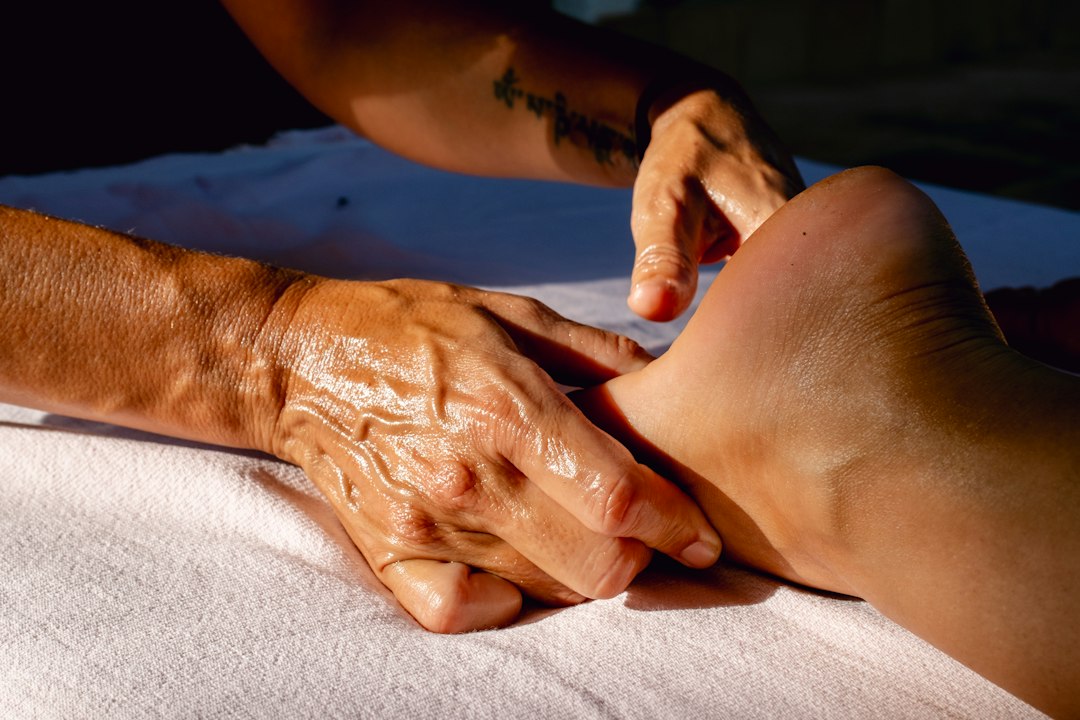
5. How To Compare Providers Like A Pro
Don't just go for the nearest shop below your HDB block (although convenience matters for regular visits). Do this quick checklist instead:
- Compare at least 3 providers. Same service, same duration, so you can see the actual price difference.
- Read reviews for patterns. One bad review is noise. Five saying "felt rushed" is a signal.
- Ask about the first session. How long is it? What's covered? Is there a follow-up plan?
- Check cancellation and refund policies. Life happens, especially with Singapore traffic and last-minute overtime.
- Look at location and timing. If you need to take two MRT transfers after work, you'll skip the sessions. Be honest with yourself.
- Message them first. A responsive, patient provider usually means a better experience overall.
Find Holistic providers on KakiList and compare profiles, services and pricing in one place instead of opening 15 tabs.
6. Your Holistic Wellness Singapore Flow: Which Path Suits You?
Still not sure where to start? Follow this simple flow:
If your issue is physical (aches, stiff neck, poor sleep, period pain)
Start with a TCM consultation. A registered physician can recommend acupuncture, tuina or herbs. Budget about S$100 to S$250 for the first visit including treatment.
If you feel burnt out or anxious
Try yoga, breathwork or a guided meditation class first. Low cost (S$25 to S$60), low commitment, and you'll know within 2 to 3 sessions if it works for you.
If you just need to unwind
Go for reflexology, Ayurvedic massage or a sound bath. Think of it as maintenance, like servicing your car. Budget S$50 to S$180.
If you've got digestion, skin or energy issues
Consider a naturopath or functional nutrition consult (S$150 to S$300). Bring recent blood test results if you have them, and keep your GP in the loop.
If you're curious but sceptical
Start with a single trial session of whatever interests you. No packages, no long-term commitments. Evaluate how you feel after 24 to 48 hours.
Image credit: Unsplash
7. Common Questions Singaporeans Ask
Is holistic wellness safe?
Generally yes, when done with qualified practitioners and when it complements regular medical care. Always tell your practitioner about existing conditions, pregnancy and medication, especially before herbal remedies or acupuncture.
How many sessions before I see results?
It depends. Relaxation therapies can feel helpful immediately. TCM and lifestyle-based approaches often need 4 to 8 sessions or a few weeks. If you see zero progress and no clear plan after that, it's fair to reassess.
Can I mix different therapies?
Yes, but don't start five new things in the same week. Add one at a time so you can tell what's actually helping, and so your wallet doesn't cry.
Is it worth paying more?
Not always. A S$45 session with an experienced heartland practitioner can beat a S$180 fancy-studio treatment. Pay for skill, communication and results, not just the aesthetic and the aromatherapy diffuser.
8. Final Thoughts: Start Small, Stay Smart
Holistic wellness Singapore is a big, varied space, and that's the fun of it. Set a monthly budget (S$100 to S$300 is realistic for most people), pick one or two therapies, and give yourself a few sessions to judge properly. Verify credentials, trust your gut when something feels off, and don't be shy to ask questions. Good practitioners love informed clients.
Ready to stop scrolling and start feeling better? Get free quotes from verified providers on KakiList and find a holistic practitioner who fits your budget, schedule and vibe. Shiok!
Need help finding the right provider?
Get free, no-obligation quotes from verified holistic providers in Singapore.
Get Free Quotes →