7 Pool Cleaning Myths Singapore Homeowners Still Believe
ICYMI: owning a pool in Singapore sounds peak shiok, until your water turns the colour of kopi-o and the neighbours start giving side-eye. Whether you have a landed home in Bukit Timah, a penthouse plunge pool or a Sentosa Cove address, a lot of what people 'know' about pool care is just plain wrong.
TL;DR: Clear water is not the same as clean water, and our hot, humid, thunderstorm-happy weather makes pool cleaning in Singapore a different game from overseas. Here are 7 myths to bust.
Image credit: Unsplash
Myth 1: 'If the water looks clear, the pool is clean'
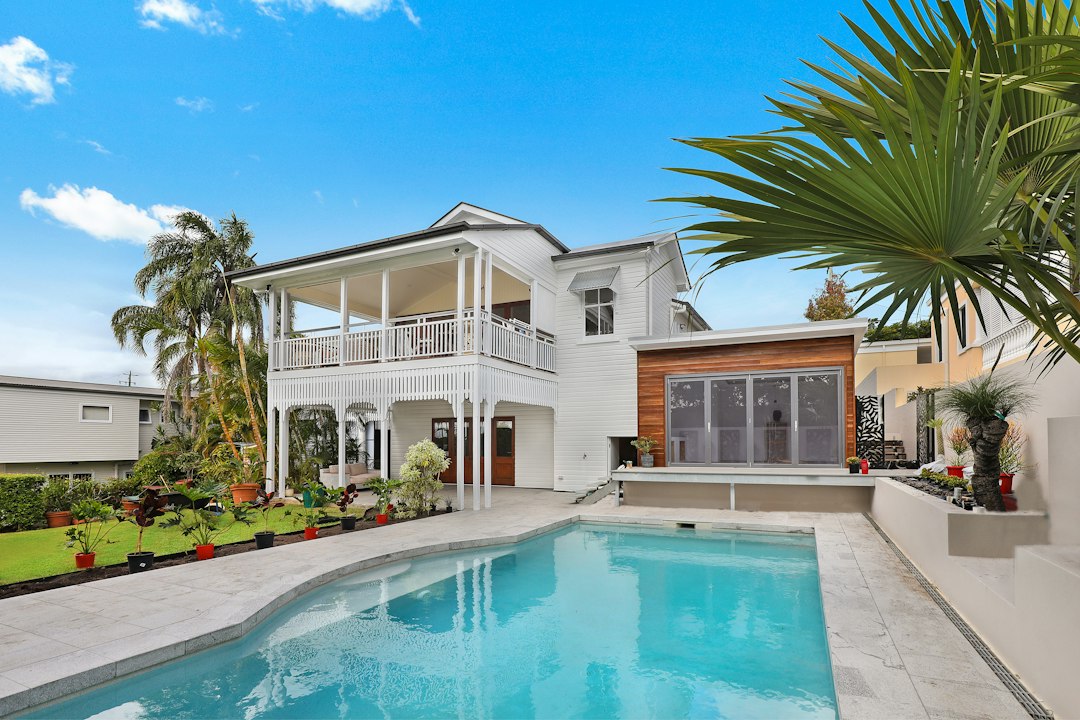
Why people believe it: Sparkly blue water looks healthy. No green, no problem, right?
The truth: Bacteria, chloramines and unbalanced pH are invisible. Water can look postcard-perfect while the pH sits at 8.2 and your chlorine is basically sleeping on the job. Unbalanced water also corrodes pool equipment and scales up your tiles over time.
Pro tip: Test pH and free chlorine at least twice a week. Ideal pH is around 7.2 to 7.6. A decent test kit costs SGD 20 to 60, which is cheaper than one emergency callout.
Myth 2: 'It rains so much here, the pool basically cleans itself'
Why people believe it: Rain is water, the pool is water, so it must be a refresh. Free top-up, no?
The truth: Jialat idea. Our afternoon thunderstorms dump leaves, dust, pollen and bird droppings into your pool, and heavy rain dilutes your chlorine and shifts your pH. Algae loves the warm, nutrient-rich water that follows a storm. Many pool techs say the day after a big downpour is when pools turn green.
Landed owners in estates like Sembawang Hills or East Coast with tall trees nearby know this pain well. Check the skimmer basket after every major storm.
Myth 3: 'More chlorine means a cleaner pool'
Why people believe it: Strong chlorine smell and red eyes after swimming must mean it's working hard.
The truth: That 'swimming pool smell' is actually chloramines, formed when chlorine reacts with sweat, sunscreen and other gunk. It means your pool needs more proper sanitising, not a heavier dump of tablets. Over-chlorinating can bleach liners, damage equipment and irritate skin and eyes, especially for kids.
Balanced water plus regular shocking, done correctly, beats a heavy hand every time.
Myth 4: 'DIY is always cheaper than hiring a pool cleaner'
Why people believe it: Chemicals are cheap and YouTube makes it look so easy. Kiasu savings mode activated.
The truth: DIY works if you are disciplined and know your chemistry. But one mistake, like skipping a week or mixing the wrong products, can send you to green-pool recovery territory. Here is how the numbers typically stack up for a standard residential pool (rough market ranges, always get quotes):
| Item | Typical cost (SGD) |
|---|---|
| DIY chemicals per month | 80 to 200 |
| Weekly pool maintenance service per month | 200 to 450 |
| Green pool recovery (one-off) | 500 to 1,500 |
| Sand filter media change | 400 to 900 |
| Pump replacement | 800 to 2,000 |
Once you factor in your weekend time and the risk of a costly recovery job, a regular service often evens out. Find pool cleaning providers and compare before deciding.
Myth 5: 'A robot cleaner means I don't need a pool service'
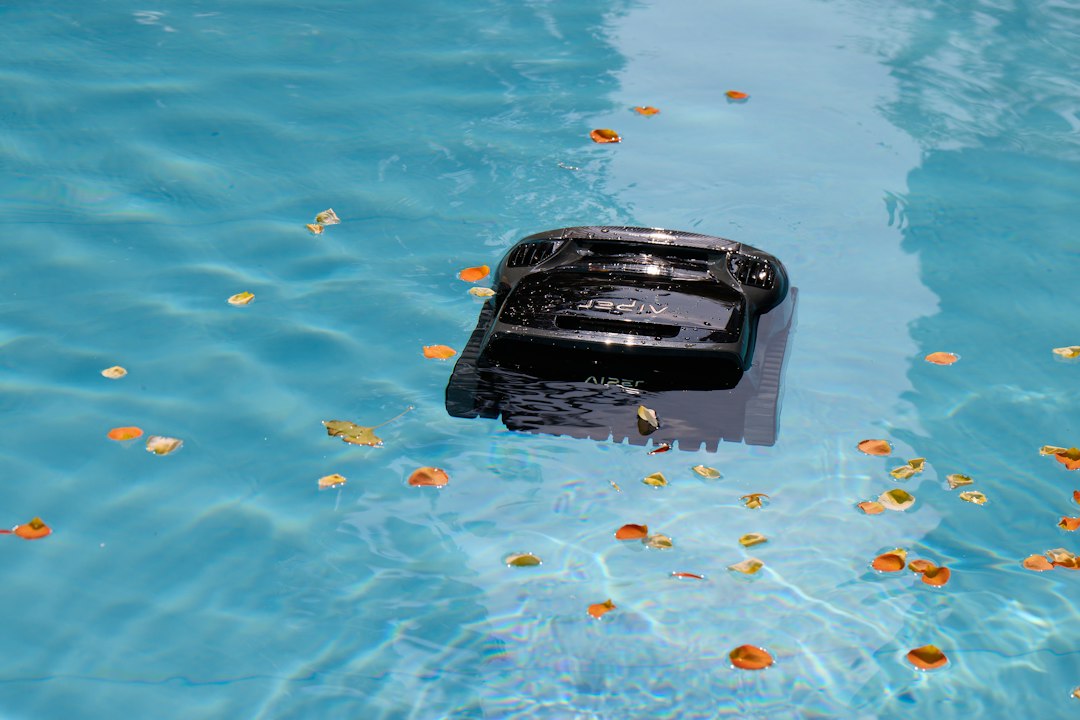
Why people believe it: The robot vacuums your pool. Sounds like the pool equivalent of your Roomba, so job done?
The truth: Robots are shiok for floors and walls, typically SGD 800 to 2,500 for a decent unit, but they do not test or balance your water, clean your filter, backwash your system or check your pump. Think of it as a helper, not a replacement. It cuts down brushing time but the chemistry still needs a human.
Myth 6: 'Salt water pools are chemical-free and low maintenance'
Why people believe it: Marketing loves the word 'natural'. No chlorine tablets, no chemicals, right?
The truth: Salt systems generate chlorine from salt through a cell, so you still have chlorine, just made on-site. You still need to monitor pH, stabiliser and salt levels, and the salt cell needs cleaning and eventual replacement, which can cost SGD 800 to 2,000. Salt can also be tough on certain stone and metal fittings. Gentler on the skin, yes. Maintenance-free, no.
Image credit: Unsplash
Myth 7: 'I only need to clean the pool when I'm going to use it'
Why people believe it: If nobody swims for weeks, nothing happens, right? Many owners of rooftop pools and holiday homes think so.
The truth: In our year-round heat, an unused pool is a ticking time bomb. Water at 28 to 32°C is a buffet for algae, and stagnant water is a breeding ground for mosquitoes. NEA takes dengue prevention seriously and can issue fines if mosquito breeding is found on your premises, so a neglected pool is a real risk beyond the 'ew' factor.
Even if you are overseas for a month, keep the circulation running and arrange for a regular visit. Recovering a neglected pool in Singapore is usually far costlier than a few weekly top-ups. Good pool cleaning in Singapore is about consistency, not occasions.
So what's actually true?
- Balanced water beats clear water. Test regularly, not just when something looks off.
- Singapore weather is a pool's frenemy. Storms, heat and humidity mean you need to be more vigilant, not less.
- Gadgets help, but chemistry still matters. Robots and salt systems reduce effort, not responsibility.
- Consistency saves money. A SGD 200 to 450 monthly service is usually cheaper than a SGD 1,500 green-pool rescue.
- Unused does not mean maintenance-free. Keep that water moving.
Not sure where to start, or paiseh to admit your pool has gone a bit swamp-like? No judgement here. Get free quotes from verified providers on KakiList and get your pool back to shiok status.
Need help finding the right provider?
Get free, no-obligation quotes from verified pool cleaning providers in Singapore.
Get Free Quotes →