Private Tutors in Singapore 2026: What's Changed for Families
If you moved to Singapore a couple of years ago and hired a tutor then, you may be in for a surprise when you look again. The tuition scene here has shifted noticeably since 2024. Rates have crept up, exam syllabuses are changing, and online and AI-assisted options have gone from novelty to normal. This guide explains what is different in 2026, why it happened, and what it means for your household budget.
A note on figures: tutor pricing in Singapore is not regulated or officially published, so the ranges below are indicative market estimates based on typical agency and freelance rates. Always confirm current rates directly with providers.
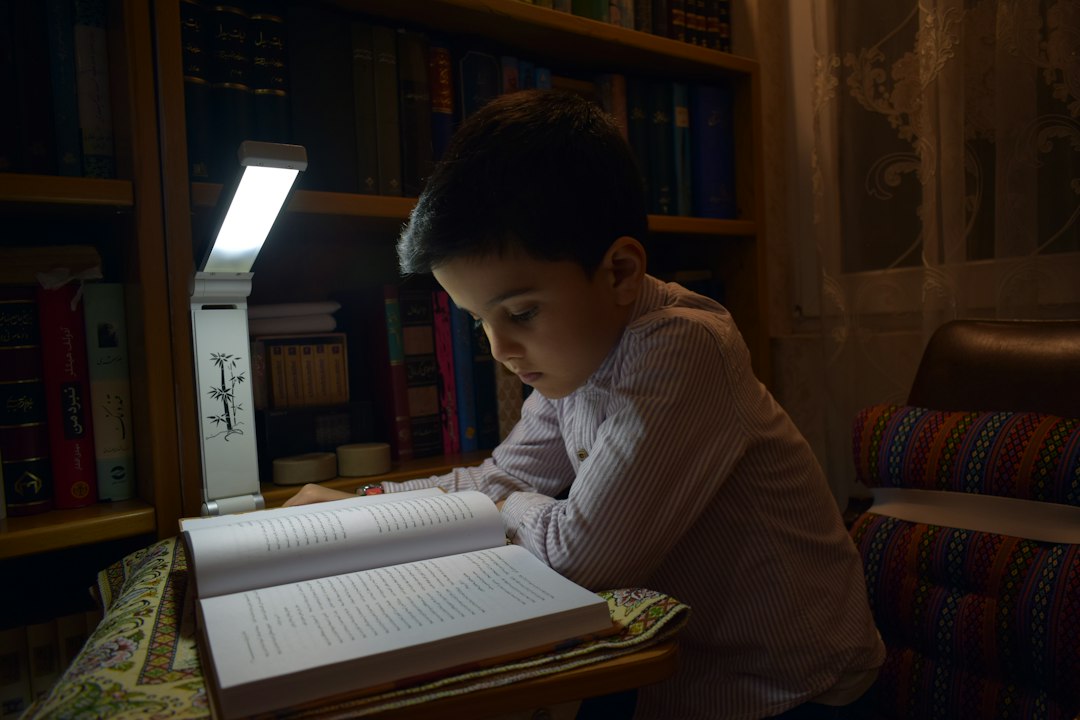
The Big Picture: Why 2026 Feels Different
Singapore has one of the most active private tuition markets in the world. Local parents are famously kiasu (a Singlish word meaning afraid to lose out), and many families treat tuition as a normal part of schooling rather than a last resort. For newcomers, the surprise is that it is common even among students who are doing well.
Three forces are driving the 2026 changes:
- Education reform: The Ministry of Education (MOE) has been phasing in Full Subject-Based Banding in secondary schools, and a new national secondary qualification is on the way (more below).
- Rising costs: Transport, rent for tuition centre space, and general wages have all increased, and tutors have adjusted their rates.
- Technology: Video lessons, digital worksheets and AI practice tools are now routine parts of many tutors' toolkits.
Change 1: Exams Are Being Reshaped
This is the biggest shift for secondary school families. Streams such as Express and Normal (Academic) are being replaced by Full Subject-Based Banding, where students take each subject at a level that suits them (called G1, G2 or G3). The cohort that started Secondary 1 in 2024 is now in Secondary 3, and they will be the first to sit the new Singapore-Cambridge Secondary Education Certificate (SEC) in 2027. It replaces the O-Level and N-Level certificates.
What this means for you: many parents are booking tutors earlier, mainly because they are unsure how mixed-level subject combinations will work. Tutors who can explain the G1/G2/G3 pathways, rather than just drill past papers, are in demand.
At primary level, the PSLE (Primary School Leaving Examination, taken at age 12) still uses Achievement Levels (AL 1 to 8). PSLE results come out in late November, so if your child is in Primary 6 you will be reading this at a nervy time. Tutor availability for P5 and P6 tends to tighten from January, so plan ahead.
Change 2: Pricing, 2024/2025 Versus 2026
Here is how typical hourly home tutoring rates have moved. These are market ranges, not official figures.
| Level / Tutor Type | 2024/2025 Typical Range | 2026 Typical Range |
|---|---|---|
| Primary, part-time (university student) | S$25–S$35/hr | S$28–S$40/hr |
| Primary, full-time tutor | S$40–S$55/hr | S$45–S$65/hr |
| Primary, ex or current MOE teacher | S$60–S$90/hr | S$65–S$100/hr |
| Secondary, full-time tutor | S$45–S$70/hr | S$50–S$80/hr |
| JC / A-Level specialist | S$70–S$120/hr | S$80–S$130/hr |
| IB / IGCSE / AP specialist | S$80–S$130/hr | S$90–S$150/hr |
That is roughly a 5% to 15% increase over two years, with the steepest rises for specialist and international curriculum tutors. Group tuition centres typically charge S$200–S$400 a month for one subject at primary level, and more at secondary level. Centres that are GST-registered will add 9% GST, so check whether quoted fees include it.
How does this compare with home? If you are coming from the UK, US or Australia, hourly rates for a good tutor are broadly comparable, but the frequency is what surprises people. Many Singapore students have two or three sessions a week, so monthly bills of S$600–S$1,200 per child are not unusual.
Change 3: Hybrid and Online Lessons Are Mainstream
Remote lessons have settled into a stable niche. In 2026 many tutors offer a hybrid model: face-to-face at home for core sessions, with short online check-ins before tests. Online-only lessons are typically 10% to 25% cheaper than in-person home visits because the tutor saves travel time.
This is especially useful if you live in a spot with less convenient transport. A tutor travelling from Jurong to Katong or Punggol is likely to factor commuting time into their rate, whereas a video lesson removes that cost altogether.
Change 4: AI Tools in the Tutor's Toolkit
You will now meet tutors who use AI-generated practice questions, instant marking tools and adaptive apps between sessions. Used well, these cut down on busywork so the tutor's paid hour is spent on actual teaching. Used badly, they replace the teaching.
Questions worth asking any tutor:
- Do you check AI-generated worksheets for accuracy and alignment with the MOE syllabus?
- How do you make sure my child is learning, not just copying answers?
- Do you give me a progress update after each term?
Change 5: Expat-Specific Demand Is Growing
Singapore's expat community has continued to diversify, and tutors have followed. In neighbourhoods such as Tanglin, Holland Village, Bukit Timah and the East Coast, which are popular with expat families for their proximity to international schools, you will find more tutors specialising in IB, IGCSE, AP and the British A-Level curriculum. There is also growing demand for tutors in Mandarin as a second language, since many international families want their children to keep pace in Chinese.
If your child is entering the local MOE system through the Admissions Exercise for International Students (AEIS) or similar routes, look for tutors with direct experience of those assessments, not just general primary or secondary tuition.
What Hasn't Changed
- Individual tutors are not licensed. Tuition centres register with MOE, but a freelance home tutor does not need a licence. Due diligence is up to you.
- Edusave cannot be used for private tuition. It covers approved school-based and enrichment programmes only, so check before assuming otherwise.
- Agency fees still apply. Matching agencies commonly charge a fee, often equal to the first one or two lessons, so ask upfront.
Your 2026 Tutor-Hiring Checklist
- Define the goal: confidence building, exam prep or catching up on a specific topic.
- Ask for qualifications and teaching experience, and request a short trial lesson.
- Confirm the syllabus they know: MOE, IB, IGCSE or another.
- Agree on cancellation terms and the notice period in writing.
- Check whether the quoted rate includes travel, materials and GST.
- For home lessons, make sure a parent or helper is around, and set a quiet spot for study.
What to Expect Next
The first SEC examinations in 2027 will be the next big test. Expect demand for Secondary 4 tutors to rise through 2026 and into 2027, and expect rates to rise accordingly, probably in line with the 5% to 10% pattern we have seen recently. We also expect more tutors to publish structured progress reports, partly because parents have become more data-driven, and partly because AI tools make tracking easier.
Do not be surprised if tuition centres start bundling in-person classes with app-based practice as standard. Families who book early, compare a few options and ask clear questions will usually get the best match without overpaying.
Ready to Find the Right Fit?
Browse Find Private Tutors providers on KakiList to compare tutors by subject, level and area. Whether you are in a condo in River Valley or an HDB flat in Tampines, Get free quotes from verified providers on KakiList and see what is available for your child.
Need help finding the right provider?
Get free, no-obligation quotes from verified private tutors providers in Singapore.
Get Free Quotes →