10 Special Needs Schools in Singapore: Real Fees & How to Pick
If you've been up till 2am Googling "special needs school Singapore" with seventeen browser tabs open, you're not alone. Between figuring out which school fits your child's profile, how long the waitlist is, and whether you'll need to remortgage the BTO to pay for it — the whole process feels designed to stress you out. Good news: Singapore's SPED (Special Education) system is actually heavily subsidised for citizens and PRs, and the fees are nowhere near as scary as private international school rates. Here's what you need to know, school by school, dollar by dollar.
There are about 19 government-funded SPED schools in Singapore, run by social service agencies like APSN, MINDS, Rainbow Centre and others, but funded and regulated jointly by MOE and SG Enable. Fees are means-tested and heavily subsidised — this is the bit most parents don't realise until they actually apply.
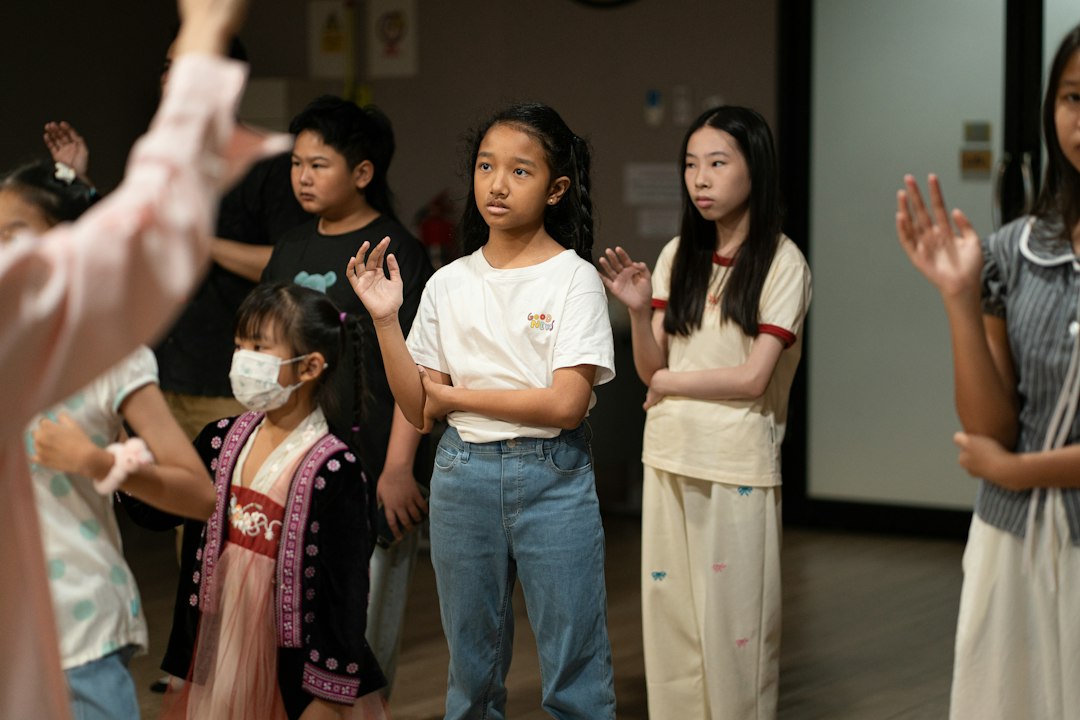
1. Pathlight School — Best for Kids Who Can Handle Mainstream Academics
Pathlight (Ang Mo Kio and Chai Chee campuses) serves students with Autism Spectrum Disorder who can follow a modified mainstream curriculum, right up to taking PSLE and N/O-Levels. It's the most "academic" of the SPED schools, with a reputation for strong art, IT and vocational tracks post-secondary.
Monthly fee: approx. $45 for Singapore Citizens, approx. $650–$700 for PRs, after subsidy. Takeaway: apply early — Pathlight has the longest waitlist of all SPED schools, sometimes 1–2 years.
2. Rainbow Centre — Two Campuses, Two Different Needs
Rainbow Centre runs Margaret Drive School (multiple disabilities and autism) and Yishun Park School (intellectual disability and multiple disabilities). Both have strong therapy support built into the school day — speech therapy and occupational therapy aren't an add-on, they're woven into timetabled lessons.
Monthly fee: similar to Pathlight, roughly $30–$50 for citizens. Takeaway: Yishun Park is a lifesaver if you're staying in the north (Sembawang, Woodlands, Yishun) and don't want a 1.5-hour school bus ride each way.
3. APSN Schools — Four Campuses for Mild to Moderate Intellectual Disability
APSN (Association for Persons with Special Needs) runs four schools across different age bands: Katong School (primary), Chaoyang School (primary/secondary), Tanglin School (secondary with vocational training) and Delta Senior School (ages 13–18, fully vocational). This is the biggest SPED network in Singapore by headcount.
Monthly fee: roughly $12–$40 for citizens depending on means testing. Takeaway: if your child is likely to move into supported employment later, APSN's vocational pathway (bakery, retail, F&B training) is genuinely practical — not just token activities.
4. MINDS Gardens Schools — For Moderate to Severe Intellectual Disability
MINDS (Movement for Intellectually Disabled Singapore) operates Lee Kong Chian Gardens School (Clementi), Woodlands Gardens School and Fernvale Gardens School, covering west, north and northeast Singapore. These schools cater to students who need more intensive, slower-paced, life-skills-focused instruction.
Monthly fee: around $20–$45 for citizens. Takeaway: MINDS also runs adult Employment Development Centres, which matters a lot if you're thinking 10, 15 years ahead rather than just the next school term.
5. Metta School — Strong on Life Skills and Work Readiness
Located in Tampines, Metta School serves students with autism and intellectual disability, with a heavy emphasis on independent living and vocational training from the secondary level. Parents often describe it as more "hands-on, less textbook" compared to Pathlight.
Monthly fee: approx. $20–$40 for citizens. Takeaway: if your priority is your child eventually managing daily tasks independently rather than academic certificates, Metta's approach fits well.
6. Canossian School — The Go-To for Hearing and Speech-Language Needs
Canossian School at Chuan Place specialises in children with hearing loss and speech-language impairment, using an auditory-oral approach (as opposed to sign language-based instruction). It's the only SPED school in Singapore with this specific specialisation.
Monthly fee: around $20–$50 for citizens; cochlear implant mapping and hearing aid costs are separate and can add $100–$300/month depending on equipment. Takeaway: start early intervention speech therapy before enrolment age — Canossian's outcomes are strongly tied to how early intervention starts.
7. AWWA School — Highest Level of Therapeutic Support On-Site
AWWA School in Bedok serves children with severe and multiple disabilities, including those who are non-ambulant or require tube feeding. Physiotherapy, occupational therapy and nursing support are built into daily operations, not outsourced.
Monthly fee: around $30–$50 for citizens, but medical equipment (wheelchairs, standing frames) can cost $500–$3,000 separately, partially subsidised via SG Enable's Assistive Technology Fund. Takeaway: ask upfront about nursing coverage ratios — this varies more than people expect between schools.
8. St Andrew's Autism School — Dedicated Autism-Only Campus
Based in Sengkang, St Andrew's Autism School (formerly St Andrew's Autism Centre) focuses exclusively on students on the autism spectrum with moderate to severe support needs, with a strong structured-teaching (TEACCH-based) approach.
Monthly fee: roughly $20–$45 for citizens. Takeaway: good fit if your child needs very predictable, visually structured routines — classrooms are set up specifically for this.
9. Eden School — Smaller Class Sizes, Community-Integrated Approach
Run by the Autism Association (Singapore), Eden School takes a smaller cohort and places heavy emphasis on community outings and functional life skills — grocery shopping, hawker centre ordering, MRT navigation — as actual curriculum, not just field trips.
Monthly fee: around $20–$40 for citizens. Takeaway: if generalising skills to real-world settings (not just classroom settings) is your priority, ask specifically about Eden's community integration hours per week.
10. Private Therapy Centres & EIPIC — For Before or Alongside School
If your child is under 7 or waitlisted for a SPED school, the Early Intervention Programme for Infants & Children (EIPIC) is the bridge — run by centres like AWWA, Rainbow Centre and KK Women's and Children's Hospital's affiliated programmes. Private options like therapy-focused learning centres in Novena, Bukit Timah and Thomson fill gaps with 1-to-1 speech or OT sessions.
Cost: EIPIC is subsidised — citizens often pay $0–$200/month depending on household income (means-tested via SG Enable). Private 1-to-1 speech or occupational therapy sessions run $80–$180 per 45-minute session, which adds up fast if you're doing 2–3 sessions a week. Takeaway: apply for EIPIC subsidy through SG Enable before committing to full private-pay therapy — the paperwork is annoying but the savings are real.
Fee Comparison at a Glance
| School Type | Monthly Fee (Citizen) | Monthly Fee (PR) | Bus Fee (subsidised) |
|---|---|---|---|
| SPED School (e.g. Pathlight, APSN, MINDS) | $12 – $50 | $650 – $900 | $100 – $170 |
| EIPIC Early Intervention | $0 – $200 | $300 – $600 | Varies by centre |
| Private 1-to-1 Therapy | $80 – $180/session | Same | N/A |
How to Actually Choose (Not Just Rank by Prestige)
Parents often chase Pathlight because it sounds the most "mainstream," but the right special needs school in Singapore is the one matched to your child's current support needs — not the one with the shortest commute or the best reputation at your condo's parents' WhatsApp group. Ask schools directly about therapist-to-student ratios, vocational outcomes for past cohorts, and whether they do home visits before enrolment.
Financial Assistance Options Worth Knowing
- SG Enable subsidies: covers school fees, bus fees and some assistive tech based on household income (per capita income under $4,000/month qualifies for higher subsidy tiers).
- Enabling Employment Credit / Open Door Programme: relevant later for job placement support, not school fees, but worth knowing early.
- KidSTART and Child Development Co-Savings (Baby Bonus): can offset early intervention costs before school age.
The bottom line: don't let sticker shock from private therapy centres scare you off exploring the SPED system first — it's genuinely one of the more affordable parts of raising a child with additional needs in Singapore, as long as you apply for the subsidies you're eligible for.
Wrapping Up
There's no single "best" special needs school in Singapore — there's only the best fit for your child's current profile, which might change as they grow. Start with an assessment (often via a paediatrician or psychologist referral), shortlist 2–3 schools based on your child's specific needs, and apply early since waitlists can stretch past a year for popular campuses. Find Special Needs School providers on KakiList to compare options near your neighbourhood, from Sengkang to Clementi.
Need help comparing costs, waitlists, or therapy add-ons for your shortlist? Get free quotes from verified providers on KakiList.
Need help finding the right provider?
Get free, no-obligation quotes from verified special needs school providers in Singapore.
Get Free Quotes →