TCM in Singapore: An Expat's Guide to Costs & Clinics 2026
Landed in Singapore and got a nagging backache from sitting in a tiny rental flat chair? Before you book a flight home to see your usual physio, consider this: Singapore has one of the most developed TCM Singapore ecosystems in Asia, blending centuries-old practice with modern regulation. But if you're new here, navigating sinseh (TCM practitioners), insurance, and government acronyms can feel like deciphering another language. Here's what you need to know.
What Exactly Is TCM, and Why Is It So Mainstream Here?
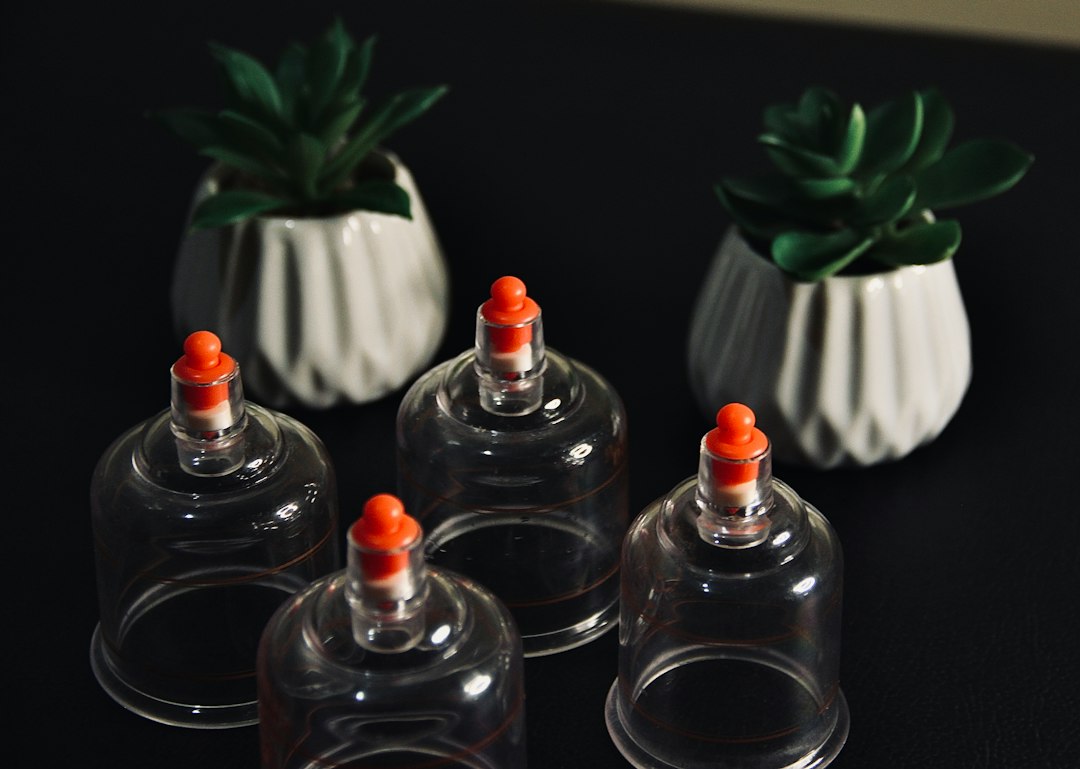
Traditional Chinese Medicine (TCM) covers acupuncture, tui na (therapeutic massage), cupping, herbal prescriptions, and diet therapy. Unlike in many Western countries where it's fringe wellness, in Singapore it's regulated by the Ministry of Health (MOH) and practised alongside Western medicine — sometimes in the same polyclinic building. Roughly 1 in 5 Singaporeans consult a TCM practitioner each year, and it's common to see office workers pop into a clinic in Chinatown or Toa Payoh during lunch for a quick cupping session before heading back to work.
For expats, the biggest adjustment isn't the treatment itself — it's understanding that TCM practitioners here must be registered with the TCM Practitioners Board under MOH. Always check a clinic's registration before committing to long-term herbal treatment plans, especially if you're pregnant or on prescription medication.
How TCM Costs Compare: Singapore vs What You Might Be Used To
Compared to private acupuncture in the US, UK, or Australia (often USD/GBP 60-120 per session), TCM Singapore pricing is refreshingly affordable — especially at heartland clinics versus atas (fancy) wellness spas in Orchard or Marina Bay.
| Service | Heartland Clinic (e.g. Ang Mo Kio, Bedok) | Central/Expat-Popular Area (Orchard, Tanjong Pagar) |
|---|---|---|
| General consultation | $20 - $35 | $45 - $80 |
| Acupuncture session | $30 - $50 | $68 - $120 |
| Cupping therapy | $25 - $40 | $50 - $90 |
| Tui na massage (45 min) | $40 - $60 | $80 - $150 |
| Herbal medicine (per course, ~1-2 weeks) | $30 - $80 | $90 - $200 |
The bottom line: you don't need to pay Orchard Road prices for decent TCM. Some of the best sinseh in Singapore operate out of modest HDB shophouse units in places like Toa Payoh, Geylang, or Bukit Merah, charging a fraction of the glossy spa rates while offering 20+ years of experience.
Insurance, MOM, and Paperwork — What Expats Need to Know
Here's where it gets locally specific. If you're on an Employment Pass (EP) or S Pass issued by the Ministry of Manpower (MOM), your employer-provided insurance may or may not cover TCM — it varies widely by company policy, so check your benefits package rather than assume. Some corporate insurance plans cap TCM claims at $300-500 annually, requiring original receipts and the practitioner's MOH registration number.
If you're a Permanent Resident (PR) or citizen contributing to CPF (Central Provident Fund), note that CPF Medisave generally does NOT cover outpatient TCM treatment — it's reserved for approved hospitalisation and selected outpatient programmes. This surprises many newcomers who assume all healthcare here taps Medisave. Budget TCM as an out-of-pocket wellness expense, not a claimable medical cost, unless your employer's insurer says otherwise.
One more pitfall: if you're sponsoring a domestic helper on a Work Permit, remember the foreign domestic worker levy and her compulsory insurance (Work Injury Compensation Insurance) do NOT extend to TCM treatments for her unless you've voluntarily added it — something many expat households overlook when their helper complains of backaches from housework.
Neighbourhoods Popular with Expats for TCM Access
- Tanjong Pagar / Chinatown — Dense cluster of traditional and modern TCM clinics, walkable from CBD offices. Great for lunchtime acupuncture.
- Holland Village / Bukit Timah — Popular with Western expat families; clinics here often have English-fluent practitioners and cater to condo-dwelling crowds.
- Novena — Near Mount Elizabeth and Novena Medical Centre, several integrative clinics offer TCM alongside Western specialists, useful if your GP wants a combined approach.
- Toa Payoh / Ang Mo Kio — HDB heartland pricing, ideal if you're renting in these estates and want budget-friendly, no-frills treatment.
Common Pitfalls Newcomers Face
First, language barriers — not every sinseh speaks fluent English, especially older practitioners in heartland clinics. Bring a translation app or ask for a younger, bilingual practitioner if you're not confident describing symptoms in Mandarin or dialect.
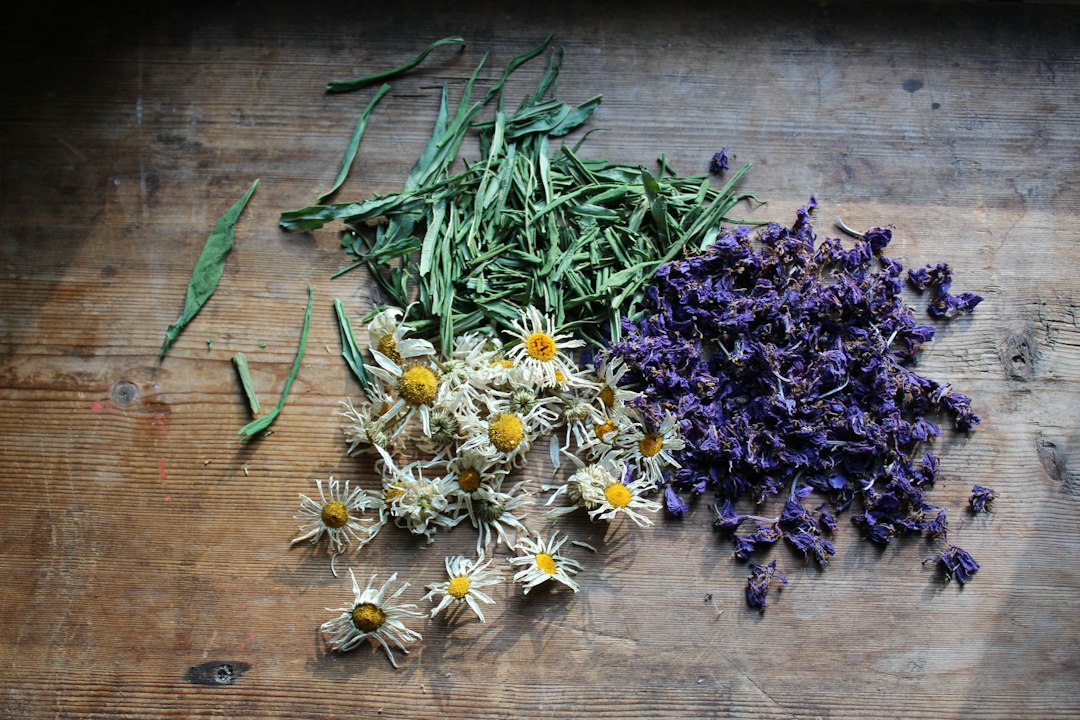
Second, over-ordering herbs. Some clinics push multi-week herbal packages costing $150-300 upfront. As a newcomer, start with a single session or week's prescription before committing to bulk packages — reputable clinics won't pressure you.
Third, assuming TCM replaces Western treatment entirely. Singapore's healthcare system encourages complementary use — many expats successfully combine a GP visit (covered by insurance) with TCM for chronic pain or stress management, rather than choosing one over the other.
Finally, don't confuse unlicensed
Need help finding the right provider?
Get free, no-obligation quotes from verified tcm providers in Singapore.
Get Free Quotes →