ENT Doctors in Singapore: The Expat's Guide to Care & Costs
TL;DR: Singapore's ENT care is world-class, fast and (for expats) fully out-of-pocket unless your insurance steps in. Know your coverage, know your clinic, and you'll save yourself a lot of jialat surprises.
So you've just landed in Singapore, enjoying the chicken rice and the efficient MRT, and then your sinuses stage a rebellion. Or your kid wakes up screaming with an ear infection at 2am. Welcome to the humidity, friend.
Here's your no-nonsense guide to finding an ENT doctor in Singapore as an expat: how the system works, what you'll pay in SGD, and where to go.
1. First Things First: What Does ENT Even Cover?
ENT stands for Ear, Nose and Throat (also called otolaryngology, if you want to impress your doctor). ENT specialists handle:
- Chronic sinusitis and blocked noses
- Allergic rhinitis (hello, dust mites and aircon)
- Ear infections, swimmer's ear and hearing loss
- Tonsil and adenoid problems
- Snoring and sleep apnoea
- Voice problems and throat lumps
- Vertigo and balance issues
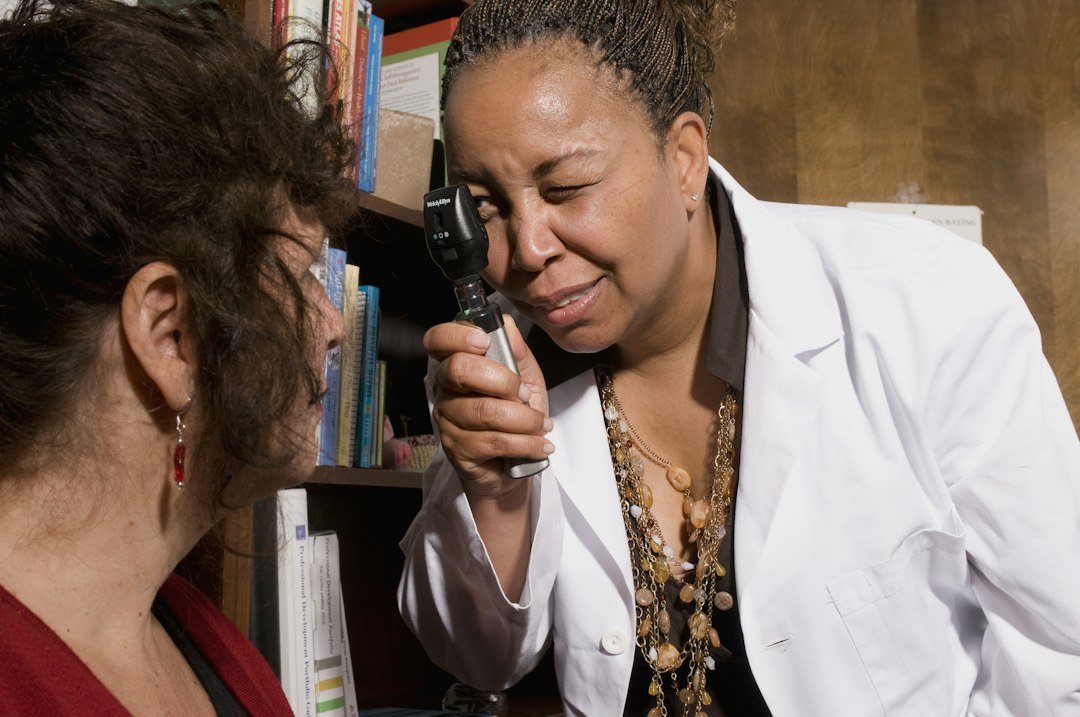
Image credit: An ENT specialist examining a patient's ear with an otoscope
2. How It Works Here vs Back Home
If you come from the UK, Canada or Australia, you're used to a GP gatekeeper and a long wait for specialists. Singapore is a lot more flexible.
- You can walk straight into a private specialist. No referral needed at most private ENT clinics, and appointments are often available within days, sometimes the same day.
- Public hospitals do want a referral. Restructured hospitals like SGH, NUH, TTSH and Changi General Hospital usually need a GP or polyclinic letter for specialist outpatient clinics (SOC).
- Subsidies are for citizens and PRs. Foreigners on work passes pay the full, unsubsidised rate even at public hospitals.
- Dual-track is normal. Many ENT surgeons practise in both public and private settings, so the same doctor may be available either way.
Pro tip: If you're coming from the US, you'll be shocked by how affordable this is. If you're coming from a free system, brace yourself.
3. Paperwork, Passes and Acronyms Decoded
Singapore loves its acronyms. Here are the ones that matter for healthcare:
- MOM: Ministry of Manpower, which issues your Employment Pass (EP), S Pass or Dependant's Pass.
- CPF: Central Provident Fund, the compulsory savings scheme for citizens and PRs. Most EP and S Pass holders don't contribute, so MediSave (the CPF healthcare account) isn't available to you.
- GP: General practitioner, your neighbourhood clinic doctor.
- IP: Integrated Shield Plan, the hospital insurance layered on top of MediShield Life (which is for citizens and PRs only).
- GL: Guarantee Letter, a pre-approval from your insurer so the hospital bills them directly.
Your pass doesn't change whether you can see an ENT, but it decides who pays. S Pass and work permit holders must be covered by employer-provided medical insurance (MOM sets a minimum annual coverage). EP holders have no such requirement, so check your employment contract and ask HR for your policy details before you need them. Don't be paiseh about it.
4. What Will It Cost? (Real SGD Ranges)
Prices below are typical estimates for private care in 2026 and vary by clinic and doctor. Always ask for a quote first.
| Service | Typical Private Cost (SGD) |
|---|---|
| Initial ENT consultation | S$100 – S$250 |
| Nasoendoscopy (camera up the nose) | S$150 – S$400 |
| Hearing test (audiometry) | S$50 – S$150 |
| Allergy skin prick test | S$150 – S$400 |
| Earwax removal / microsuction | S$60 – S$200 |
| Grommet insertion (child) | S$2,500 – S$6,000 |
| Tonsillectomy | S$6,000 – S$12,000 |
| Septoplasty / sinus surgery | S$8,000 – S$20,000 |
| Hearing aids (per pair) | S$1,500 – S$6,000+ |
Context: A consult plus scope can easily hit S$400 in Novena or Orchard, but a heartland clinic in Tampines or Bishan may charge noticeably less for the same procedure. Surgery fees usually include surgeon, anaesthetist, theatre and ward, so ask whether the quote is all-in.

5. Where Expats Actually Go (By Neighbourhood)
- Novena: The medical hub. Mount Elizabeth Novena and Novena Specialist Centre have dense clusters of ENT clinics. Popular with expats living in River Valley, Newton and Balestier.
- Orchard / Tanglin: Mount Elizabeth Hospital and Gleneagles are close by, perfect for Holland Village, Dempsey and Tanglin residents. Premium pricing, shiok convenience.
- East Coast / Katong: Family-heavy expat zone with several good private clinics and Parkway East Hospital nearby.
- Jurong / Clementi: Ng Teng Fong General Hospital serves the west, handy if you're near the international schools.
- Heartland towns (Tampines, Bishan, Woodlands): Cheaper private clinics in malls, ideal for routine consults and ear wax removal.
Image credit: Medical towers in Novena, one of Singapore's go-to healthcare precincts
Ready to shortlist? Find ENT providers on KakiList and compare by area.
6. 7 Common Pitfalls Newcomers Fall Into
- Not checking insurance panels. Not every ENT clinic is on your insurer's panel. Confirm before booking, or you'll pay upfront and claim later.
- Skipping the pre-authorisation. For surgery, get the GL sorted early. Otherwise you could face a hefty deposit.
- Assuming your overseas insurance works. Some do, many don't. Check for Singapore coverage and reimbursement rules.
- Blaming the haze or the aircon only. Chronic sniffles in Singapore are usually allergic rhinitis from dust mites in our humid climate. Get tested instead of guessing.
- Treating every ear infection with leftover antibiotics. Doctors here are cautious about antibiotics. Don't self-medicate with overseas pills.
- Ignoring pre-existing condition exclusions. Many plans exclude conditions you already had before joining. Declare honestly and read the fine print.
- Going to A&E for non-emergencies. A blocked nose at 9pm isn't an emergency. Visit a 24-hour GP or walk-in clinic and save yourself a long wait and a pricey bill.
7. Quick Checklist Before You Book
- Get your insurance card, policy number and panel list
- Bring your passport or pass for registration
- Bring previous scans, audiograms or medical records from home
- Ask for a fee estimate for consult, scope and any tests
- For kids, look for paediatric ENT experience
- Ask about a medical certificate (MC) if you need time off work, as your employer will want one
Pro tip: Check the doctor's accreditation on the Singapore Medical Council register. It's a quick lobang for peace of mind.
8. Don't Wait It Out
ICYMI: Singapore's mix of humidity, aircon blasts and seasonal haze is rough on noses, ears and throats. If symptoms last more than two weeks, if you have sudden hearing loss, or if you have severe throat pain with trouble swallowing, see a doctor ASAP. Sudden hearing loss in particular needs urgent attention.
The good news? With a bit of prep, getting ENT care here is quick, efficient and far less stressful than navigating a system back home. Welcome to Singapore, and may your sinuses stay clear.

Need an ENT Doctor Without the Guesswork?
Comparing clinics, prices and locations takes time. Get free quotes from verified providers on KakiList and book with confidence.
Need help finding the right provider?
Get free, no-obligation quotes from verified ent providers in Singapore.
Get Free Quotes →