ENT Specialist Singapore: 8 Myths Expats Believe, Debunked
Moving to Singapore means new food, new weather and, sooner or later, a new healthcare system to figure out. Many newcomers develop a blocked nose, itchy ears or a lingering cough within months of landing, and then wonder who to see. Rumours from colleagues, WhatsApp groups and your home country habits do not always apply here. Let us clear up the most common myths about seeing an ENT specialist in Singapore (ear, nose and throat doctor) so you can get the right care without wasting money or time.
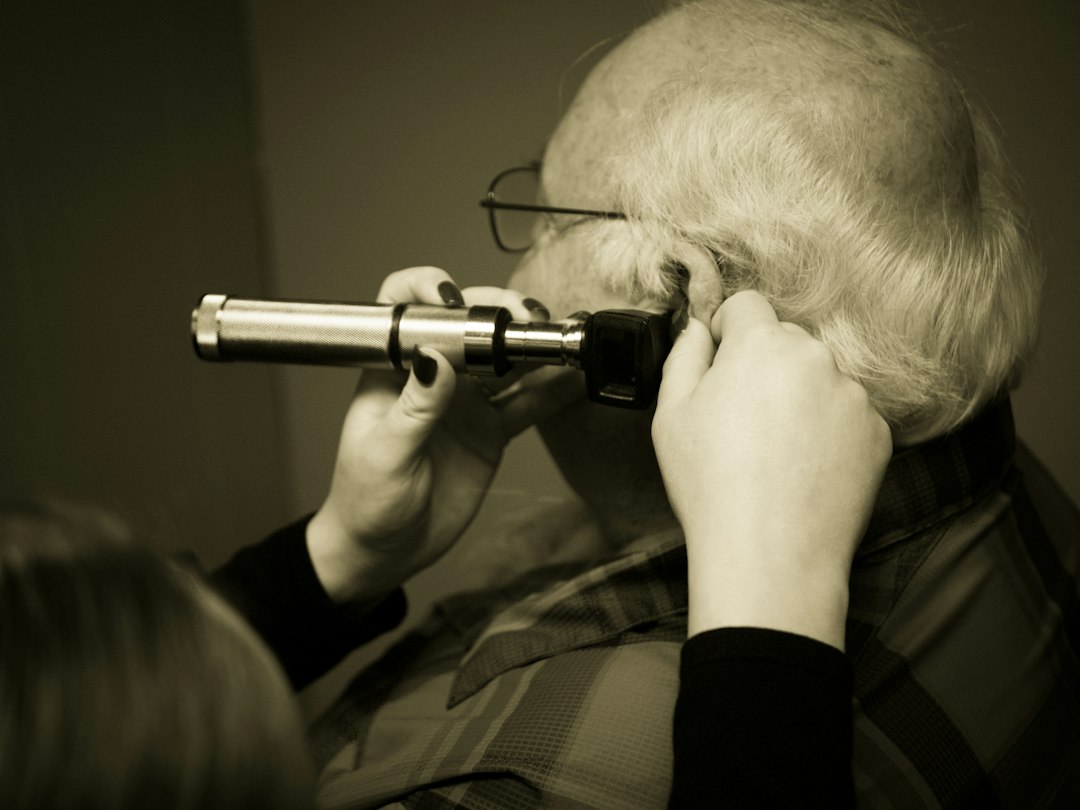
Myth 1: You must get a GP referral before seeing an ENT specialist
Why people believe it: Public hospitals do require one, and many expats read that and assume it applies everywhere.
The facts: Referrals are mainly needed for subsidised appointments at public specialist outpatient clinics (SOCs) at places like SGH, TTSH, NUH or KTPH. As an expat on an Employment Pass or Dependant's Pass, you do not qualify for subsidies anyway. You can walk straight into a private ENT clinic, including those in Orchard, Novena and Mount Elizabeth, and book directly. Some insurers do want a referral letter for claims, so check your policy first. A private initial consultation typically costs S$100 to S$250, and add-ons like nasal endoscopy (a tiny camera to look inside the nose) can add S$150 to S$400.
Myth 2: Singapore's humidity is what causes your sinus problems
Why people believe it: Everyone feels stuffy when the weather is sticky, so humidity gets the blame.
The facts: Humidity is only part of the story. The bigger culprits are dust mites, which thrive in warm, damp climates and are the leading trigger of allergic rhinitis here, plus the dry, cold air from air-conditioning that irritates nasal lining. Seasonal haze from regional fires can also set things off. Many expats with no allergy history at home develop symptoms within their first year. An ENT can run allergy tests, often S$150 to S$400 for a skin prick panel, so you treat the real trigger instead of guessing.
Myth 3: Cotton buds and ear candles are the safe way to clear ear wax
Why people believe it: Cotton buds are sold at every Guardian and Watsons, and ear candling is marketed as natural and gentle.
The facts: Cotton buds usually push wax deeper and can scratch the ear canal. Ear candles do not remove wax and can cause burns or blockages. Wax is self-cleaning in most people. If you feel blocked, an ENT or GP can remove it using drops, gentle irrigation or microsuction, generally S$50 to S$150 per visit at a private clinic. That is cheaper than treating a perforated eardrum.
Myth 4: Snoring is just a nuisance, not a medical issue
Why people believe it: It is the stuff of jokes about spouses and long flights.
The facts: Loud snoring with gasping, morning headaches or daytime tiredness can signal obstructive sleep apnoea, where breathing repeatedly stops during sleep. It raises the risk of high blood pressure and heart problems. With long working hours in the CBD, many professionals blame stress when the real issue is poor sleep. A home sleep test costs roughly S$500 to S$1,500, while an overnight lab study can run S$1,500 to S$3,500. Treatment ranges from weight management and mouth devices to CPAP machines or surgery.
Myth 5: Children's ear infections always need antibiotics or grommets
Why people believe it: Parents in Singapore can be a bit kiasu (afraid to lose out), and nobody wants a miserable child at an international school in Tanglin or Holland Village.
The facts: Many mild middle ear infections clear by themselves within a few days, and doctors often use a watchful waiting approach. Grommets (tiny ear tubes) are considered only for repeated infections or fluid lingering for three months or more. If needed, surgery in a private hospital is often S$3,000 to S$6,000 before insurance, depending on the ward and surgeon. Ask your ENT why they are recommending a procedure and what the alternatives are.
Myth 6: A deviated septum or sinusitis automatically means surgery
Why people believe it: Friends tell horror stories, or an online forum insists surgery is the only fix.
The facts: Most doctors try medication first: steroid nasal sprays, saline rinses and allergy control. Surgery such as septoplasty or functional endoscopic sinus surgery is for cases that fail proper medical treatment. Costs vary widely, roughly S$6,000 to S$12,000 for septoplasty and S$8,000 to S$18,000 for sinus surgery in a private setting. Always get a second opinion for an elective operation.
Myth 7: Nasal sprays are addictive, so avoid them
Why people believe it: Some people do become dependent on certain sprays, and the warning spreads to every bottle.
The facts: Decongestant sprays (oxymetazoline types) should be used for only three to five days, as longer use causes rebound congestion. Steroid and saline sprays are different and are not addictive; they are standard long-term therapy for allergic rhinitis. Check the label, or ask your pharmacist or ENT which type you have in your bathroom cabinet.
Myth 8: Hearing loss only affects older people
Why people believe it: Hearing aids are associated with grandparents.
The facts: Noise-induced hearing loss is increasingly seen in younger adults, from earphones on a noisy MRT ride to loud gigs and construction noise. Use the 60/60 rule: no more than 60 per cent volume for 60 minutes at a time. A baseline hearing test (audiogram) costs around S$60 to S$150. If aids are needed, expect S$1,500 to S$6,000 or more per pair, depending on the technology.
Cost snapshot for expats
| Service | Typical private cost (SGD) |
|---|---|
| ENT consultation | S$100 to S$250 |
| Nasal endoscopy | S$150 to S$400 |
| Ear wax removal | S$50 to S$150 |
| Hearing test | S$60 to S$150 |
| Sleep study | S$500 to S$3,500 |
Figures are indicative and vary by clinic, so always request an estimate beforehand.
What is actually true
- You can see a private ENT specialist in Singapore without a referral, but check your insurer's claim rules.
- MediShield Life and Medisave apply to citizens and PRs only, so most expats rely on employer or international insurance. Confirm pre-authorisation for surgery.
- Most ear, nose and throat conditions are treated without surgery first.
- Ask for a written quote and a second opinion before any elective procedure.
- Do not self-treat persistent symptoms lasting more than two to three weeks, especially hoarseness, one-sided hearing loss or a neck lump.
Ready to book? Browse verified ENT and healthcare providers near your neighbourhood, whether you are in Novena, Orchard or the East Coast.
Get free quotes from verified providers on KakiList and compare consultation fees before you book.
Need help finding the right provider?
Get free, no-obligation quotes from verified ent providers in Singapore.
Get Free Quotes →