ENT Doctor in Singapore: A First-Timer's Guide for Expats
Got a blocked nose that won't quit, ringing in your ears since you landed, or a kid who snores like a freight train? At some point, almost every expat in Singapore ends up Googling "ENT doctor Singapore" — usually at 11pm, slightly panicked, unsure whether to see a GP first or just book a specialist. This guide walks you through the whole process, from your first symptom to your first appointment, so you know exactly what to expect.
What Does an ENT Doctor Actually Do?
ENT stands for Ear, Nose and Throat — also called an otolaryngologist if you want the full mouthful. These specialists handle everything from chronic sinusitis and recurring ear infections to hearing loss, tonsillitis, vertigo, snoring, voice problems, and even minor head and neck lumps. If it's above your collarbone and isn't your eyes, teeth or brain, it's probably ENT territory.
In Singapore's humid, air-conditioned environment, ENT issues are extremely common among newcomers. The constant swing between 34°C outdoors and freezing office aircon wreaks havoc on sinuses, and many expats report their first bad cold or sinus infection within weeks of arriving — it's practically a rite of passage.
Public vs Private: Which Route Should You Take?
Singapore's healthcare system splits into public (government, subsidised) and private. As a foreigner on an Employment Pass, Dependant's Pass, or even without local insurance, you generally won't get subsidised public rates — those are mainly for Singapore Citizens and Permanent Residents. That changes the calculation quite a bit compared to home.
- Public hospitals (e.g. Singapore General Hospital, Tan Tock Seng, National University Hospital): Usually require a GP referral first. Longer waits for non-urgent cases (sometimes 4-8 weeks), but excellent specialists and lower costs if you're a citizen/PR.
- Private specialist clinics (e.g. Mount Elizabeth, Gleneagles, Raffles, Mount Alvernia, or standalone ENT clinics in Novena and Orchard): No referral needed in most cases, appointments often available within 1-3 days, and you deal directly with the specialist — but you pay full private rates.
Novena, in particular, has become an unofficial medical hub — within a 500m radius you'll find multiple ENT, orthopaedic, and oncology specialist clusters, plus parking that's actually manageable compared to Orchard Road.
Step-by-Step: Your First ENT Visit
Step 1: Decide if you need a GP first
If your insurance requires a referral letter for reimbursement (check your policy — many expat insurance plans do), start with a GP. A GP visit costs roughly SGD 35–80 depending on the clinic, and if they think you need a specialist, they'll write a referral letter on the spot. If your symptoms are persistent (lasting more than 2 weeks), involve hearing loss, or include blood, skip straight to a specialist.
Step 2: Book the appointment
Most private ENT clinics let you call or WhatsApp to book. Mention your symptoms briefly so the clinic can allocate enough consultation time. Bring your passport, pass (EP/DP/LTVP), and any insurance card.
Step 3: The consultation
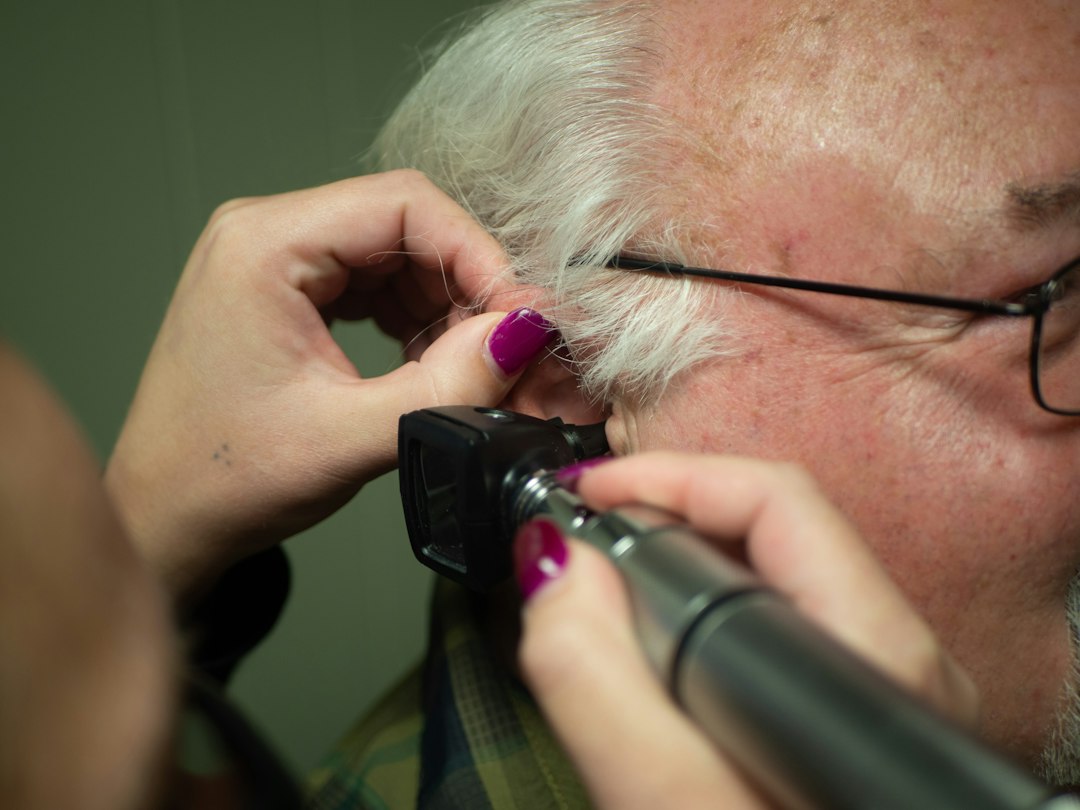
Expect a thorough history — when symptoms started, any allergies, smoking history, travel, and family history. The doctor will then physically examine your ears, nose and throat, often using a headlight and small instruments. Don't be alarmed if they use a thin flexible camera (nasoendoscope) to look up your nose and down your throat — it's mildly uncomfortable for about 10 seconds, not painful, and gives the doctor a direct view instead of guessing.
Step 4: Tests, if needed
Depending on your symptoms, you might be sent for:
- Hearing test (audiometry): SGD 60–150
- Allergy testing: SGD 150–400
- CT scan of sinuses: SGD 400–900
- Sleep study (for suspected sleep apnoea/snoring): SGD 600–1,500
Step 5: Treatment plan
Most first visits end with either a prescription (nasal sprays, antihistamines, antibiotics), a follow-up scope, or a referral for further imaging. Surgery (like tonsillectomy or sinus surgery) is rarely decided on the first visit — it typically follows after conservative treatment doesn't resolve things.
What It Costs: A Realistic Breakdown
| Item | Typical Cost (SGD) |
|---|---|
| GP consultation | 35–80 |
| Private ENT specialist consultation | 120–250 |
| Follow-up consultation | 80–150 |
| Nasoendoscopy (scope exam) | 80–200 |
| Minor ear wax removal/microsuction | 80–180 |
| Sinus surgery (day case) | 4,000–12,000+ |
If you're comparing to your home country, this may feel steep — especially coming from the UK's NHS or countries with universal coverage. But compared to a similar private consultation in the US, Singapore's rates are often 30–50% lower for equivalent expertise. Always check whether your company's medical insurance covers outpatient specialist visits, as many expat packages only cover inpatient/hospitalisation by default.
Jargon Decoder
- Otolaryngologist: The formal name for an ENT doctor.
- Nasoendoscopy: Thin camera scope through the nose to examine sinuses and throat.
- Tympanometry: Test that checks how well your eardrum moves — used for ear infections or fluid buildup.
- Deviated septum: When the wall between your nostrils is crooked, often causing breathing difficulty.
- MOH: Ministry of Health — regulates all clinics and sets guidelines on fee transparency.
What a Good First Experience Looks Like
You'll know you've found the right ENT clinic if: the doctor explains findings in plain English (or your preferred language — many Novena clinics have Mandarin, Bahasa, and Tamil-speaking staff), costs are itemised clearly before procedures, and you're not pressured into immediate surgery. A good clinic will also coordinate directly with your insurer for cashless claims where possible, saving you the reimbursement hassle.
If you also need help with related issues like allergy management or sleep problems, it's worth checking Find ENT providers to compare clinics by specialisation, language spoken, and patient reviews before committing.
Final Tips for Newcomers
- Keep a symptom diary before your visit — dates, triggers, severity — it speeds up diagnosis significantly.
- Ask upfront about total estimated cost, including any tests, so there are no surprises on the bill.
- If symptoms are chronic (3+ months), ask specifically about allergy testing — Singapore's dust mite and humidity levels are notorious triggers for expats who never had allergies back home.
Settling into a new healthcare system is one of the more stressful parts of relocating, but Singapore's ENT care is genuinely world-class once you know how to navigate it. Don't wait until a minor issue becomes a chronic one — get it checked early.
Need help finding the right provider?
Get free, no-obligation quotes from verified ent providers in Singapore.
Get Free Quotes →