7 Music School Myths in Singapore, Debunked (With Prices)
Between school, CCAs and tuition, music lessons can feel like one more line item your wallet doesn't need. But a lot of what Singaporeans believe about music schools is outdated, or just plain kiasu talk from the parents' WhatsApp group. Here's what you need to know before you sign up (or skip) anything.
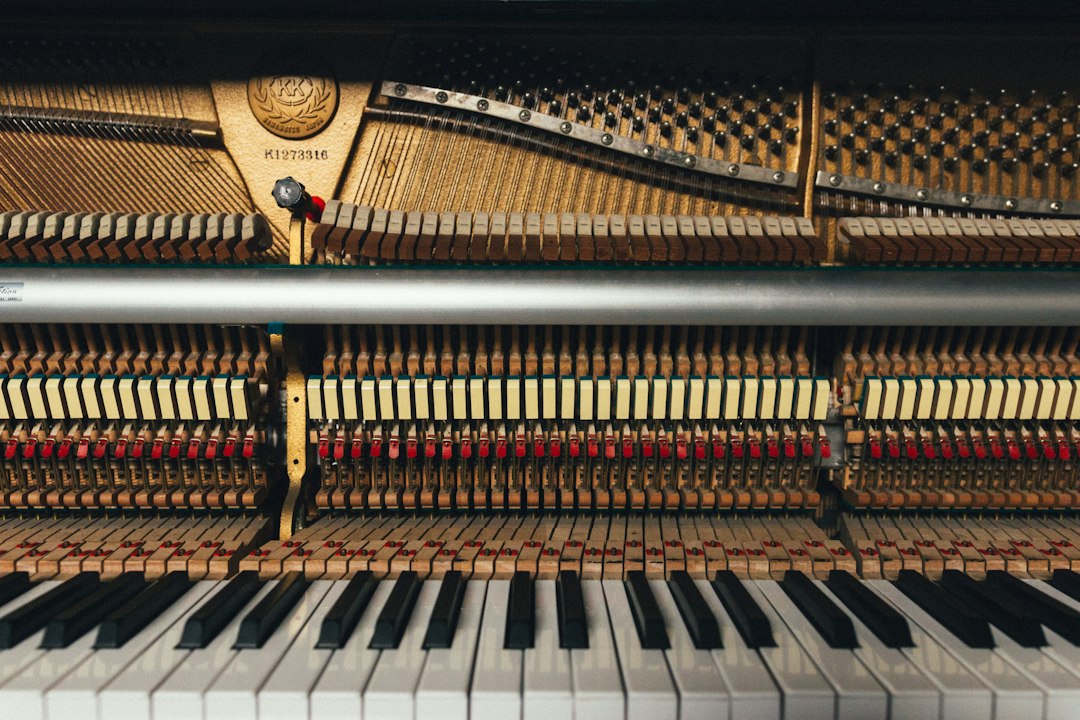
Myth 1: "If you don't start by age 5, it's too late"
Why people believe it: Everyone knows a cousin who passed Grade 8 at age 12, and the pressure starts from the playgroup stage.
The reality: Early starts help with habit-building, but plenty of teachers say ages 6 to 9 is a sweet spot because kids can read, focus for 30 minutes and practise more independently. Teens and adults learn faster in some ways because they understand theory and can choose to practise. The bottom line: a motivated 10-year-old beats a bored 4-year-old, and you'll save a few hundred dollars not paying for lessons that go nowhere.
Myth 2: "Private tutors are always cheaper than a music school"
Why people believe it: No overheads, no centre rental, so surely the rate is lower?
The reality: Freelance tutors with strong credentials often charge the same as or more than a heartland music school, especially if they travel to your HDB flat. Schools can spread costs and offer group options. Here's a typical comparison:
| Lesson type | Typical rate per lesson | Approx. monthly (4 lessons) |
|---|---|---|
| Group class (4 to 6 pax, 45-60 min) | S$25 to S$45 | S$100 to S$180 |
| Private lesson at a music school (30 min) | S$40 to S$70 | S$160 to S$280 |
| Private lesson at a music school (60 min) | S$70 to S$120 | S$280 to S$480 |
| Home tutor (45-60 min) | S$55 to S$100 | S$220 to S$400 |
Rates vary by instrument, teacher qualifications and location (Orchard and Bukit Timah tend to be pricier than Tampines or Woodlands).
Myth 3: "You must buy an expensive instrument first"
Why people believe it: Shopfronts make it look like you need a S$3,000 piano before the first lesson.
The reality: Beginners do fine on a modest setup. Many schools let you rent or practise on-site for the first few months so you can test commitment first.
| Instrument | Beginner budget |
|---|---|
| Digital piano (weighted keys) | S$600 to S$2,000 new; S$300 to S$800 second-hand |
| Acoustic guitar | S$150 to S$500 |
| Ukulele | S$50 to S$150 |
| Violin (rental) | S$30 to S$60 per month |
Tip: ask your teacher before buying. A S$99 keyboard with unweighted keys can actually hurt a piano student's technique, so don't go too cheap either.
Myth 4: "Grade exams are the only proof of progress"
Why people believe it: Certificates are easy to show off, and some schools build their entire curriculum around ABRSM or Trinity.
The reality: Exams are useful for structure and can count for DSA or portfolio purposes, but they're not mandatory. Exam fees alone can run from roughly S$130 to S$200 for lower practical grades and much more for higher ones, plus theory papers and accompanist fees. If your goal is fun, jamming with friends or church band, a contemporary syllabus or non-exam track can save you hundreds a year. Always check the current fee schedule with the exam board.
Myth 5: "Music lessons are a waste unless my child becomes a musician"
Why people believe it: In a country that loves STEM and stable careers, arts feel like a luxury.
The reality: Most students won't go pro, and that's fine. Learning music builds discipline, memory and confidence, and gives a healthy outlet outside screens. Compare that to a typical enrichment class at S$30 to S$50 per session: music offers a skill that lasts decades. It's also a cheap stress-buster for working adults.
Myth 6: "Music school is only for kids"
Why people believe it: Most ads show a child at the piano in uniform.
The reality: Adult classes are growing, especially evening and weekend slots near MRT hubs like Jurong East, Bishan and Tampines. Many adults pick up guitar, ukulele, piano or vocals for S$160 to S$300 a month. It's cheaper than a gym membership at a premium chain, and arguably more satisfying when you finally nail that song at karaoke.
Myth 7: "Group lessons don't work"
Why people believe it: One-to-one attention sounds obviously better.
The reality: For young beginners, group classes are a smart entry point. Kids learn rhythm, listening and ensemble skills, and you pay roughly 40% to 60% less per lesson. Once your child shows commitment (say, after 6 to 12 months), switch to private lessons. Just avoid groups bigger than 6 for instruments needing close technique supervision, like violin.
Myth 8: "Big-brand schools are always better than neighbourhood studios"
Why people believe it: Name recognition feels safe, and you see the big outlets in every mall.
The reality: Quality depends on the teacher, not the signboard. Some small studios in HDB estates or shophouses have excellent, conservatory-trained teachers at lower rates. Before you commit, check these:
- Trial lesson: Many schools offer a trial for S$20 to S$60. Take it.
- Teacher credentials: Ask about qualifications and teaching experience with your child's age group.
- Hidden fees: Registration (often S$30 to S$100), books, and exam entry fees.
- Make-up policy: Can you replace missed lessons, or is that money gone?
- Package terms: Avoid paying for more than one term upfront until you're sure.
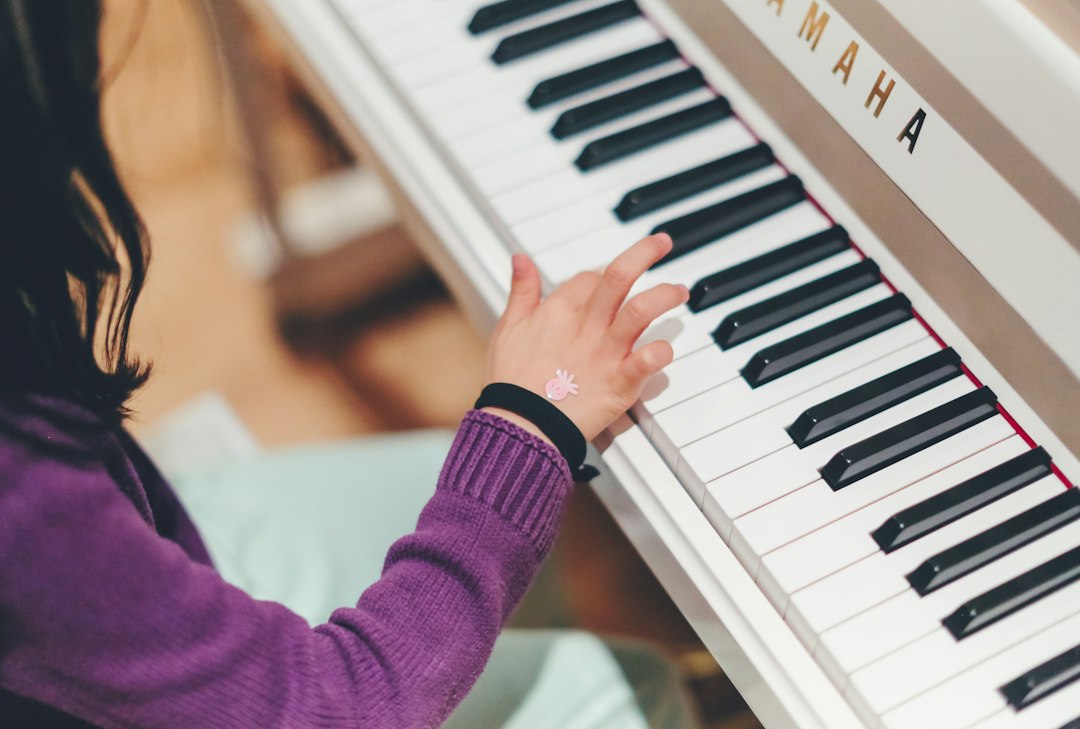
What's actually true
- You can start at almost any age, as long as the motivation is there.
- Budget S$100 to S$300 a month for lessons, plus S$300 to S$2,000 for an instrument depending on type.
- Rent or borrow first, buy later.
- Exams are optional, not obligatory.
- The right teacher matters more than the brand or the mall location.
- Always do a trial before locking in a package.
The bottom line: a good music school Singapore families can trust doesn't need to cost an arm and a leg. Compare at least three options, ask about total costs (not just lesson rates), and let your child's interest decide how far to go. Ready to start? Find Music Schools providers near you, or Get free quotes from verified providers on KakiList.
Need help finding the right provider?
Get free, no-obligation quotes from verified music schools providers in Singapore.
Get Free Quotes →