Music Schools in Singapore: An Expat Parent's Guide (2026)
TL;DR: Music lessons in Singapore are easy to find, well-organised and very kiasu. Expect term-based fees, exam-centric teaching and zero visa drama for students, but do check your teacher's credentials.
So your family just landed at Changi, you've survived your first humid week, and your kid has announced they want to learn the cello. Shiok! But how do music schools in Singapore actually work, and why is every parent at the condo playground talking about Grade 5 theory?
Here's your no-fluff guide to getting started.
Image credit: Unsplash
1. How Music Lessons Here Differ From Back Home
In many countries, music lessons are a casual after-school hobby with a neighbourhood teacher. In Singapore, it's far more structured, and often exam-driven.
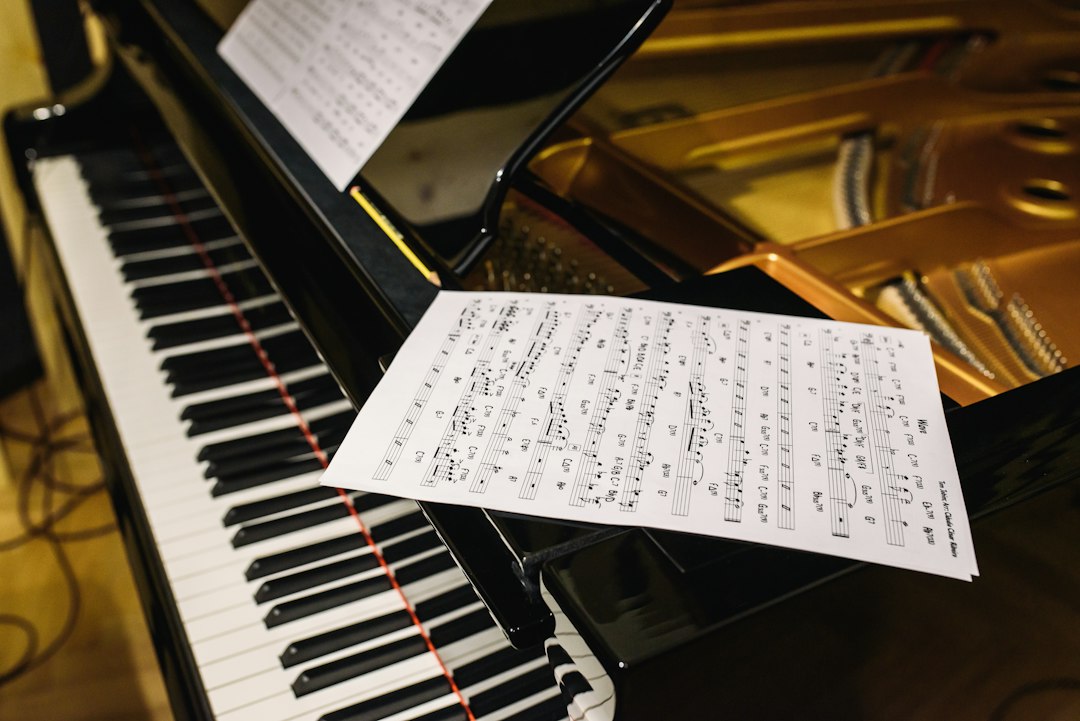
- Graded exams are a big deal. Most schools prep students for ABRSM, Trinity College London or Yamaha grade exams. Parents love a certificate, and some kids sit exams every year.
- Fees are paid per term. Expect to pay for 10 to 12 lessons upfront, following the school terms of the Ministry of Education (MOE).
- Theory is separate. ABRSM requires Grade 5 theory before you can take higher practical grades, so many schools sell theory classes as an add-on.
- Enrichment culture is real. Many kids juggle piano, swimming and Chinese tuition. ICYMI, your child may not be the only one with a packed Saturday.
Pro tip: Tell the school upfront whether you want exam prep or just fun. Both are available, but the default tends to be exams.
2. Do You Need a Visa for Music Lessons?
Short answer: no special pass is needed just to attend lessons. Your family's existing passes cover it. Here's the alphabet soup, decoded:
- MOM is the Ministry of Manpower, which issues work passes like the Employment Pass (EP).
- Dependant's Pass (DP) covers spouses and kids of EP holders. Your child can attend private lessons with this.
- Student's Pass is issued by the Immigration & Checkpoints Authority (ICA) to kids enrolled in a local school or international school.
The paperwork matters more for the teacher. Foreign instructors need a valid work pass to teach at a school. Established schools handle this. If you hire a freelance teacher from overseas, it's fair (and not paiseh) to ask about their pass status.
Got a helper? If your domestic helper brings your child to lessons, she's under a Work Permit, and you pay a monthly foreign worker levy to the government. This doesn't affect lesson fees, but keep her travel time in mind when picking a location.
3. What Does It Cost? (SGD, Realistically)
Prices vary by instrument, teacher qualifications and location. Here's a rough guide for late 2026:
| Type of Lesson | Typical Cost (SGD) |
|---|---|
| Group classes for young kids (e.g. Yamaha-style) | S$120 to S$200 per month |
| Private piano or guitar (30 to 45 min) | S$180 to S$350 per month |
| Private violin, cello or voice (45 to 60 min) | S$250 to S$480 per month |
| Specialist or conservatory-trained teacher | S$100 to S$180 per hour |
| Registration fee | S$30 to S$100 (one-time or annual) |
| Digital piano rental | S$60 to S$120 per month |
| ABRSM exam fee (practical, varies by grade) | S$130 to S$400+ |
Watch out: Some schools add GST (Goods and Services Tax, currently 9%) on top of quoted prices if they're GST-registered. Always ask whether the quote is nett.
Also, those of you coming from the UK or Australia might find prices comparable, and a bit cheaper than Hong Kong or Switzerland. Lobang alert: group classes for little ones are usually the most budget-friendly entry point.
4. Neighbourhoods Where Expat Families Find Music Schools
Music schools cluster around where families live and where malls are. Popular spots:
- Holland Village and Bukit Timah: Lots of boutique studios, plus easy access to international schools. Great for private teachers.
- Orchard, Tanglin and River Valley: Big-name music schools and instrument retailers, handy if you live in a condo around town.
- East Coast, Katong and Marine Parade: Popular with families who like the heritage vibe. Many studios are in shophouses and neighbourhood malls.
- Tampines, Jurong East and Punggol: Heartland malls have chain schools and tuition-centre-style music studios, often at lower prices than the city centre.
- Dempsey and Tiong Bahru: More boutique, creative studios for older kids and adults.
Image credit: Unsplash
Staying in an HDB flat (public housing built by the Housing & Development Board)? You can still learn instruments, but plan around neighbours. More on that below.
5. Does CPF or SkillsFuture Help With Fees?
Short answer: usually not for expats. CPF (Central Provident Fund) is the mandatory savings scheme for Singapore citizens and PRs. EP and DP holders don't contribute, and cannot use CPF for lessons. SkillsFuture Credit is also meant for Singaporeans, and mostly applies to adult skills courses anyway. Budget for out-of-pocket payments.
6. Common Pitfalls Newcomers Face
Pitfall 1: Signing up before a trial lesson
Many schools offer trial classes. Use them. A teacher's style matters more than a fancy brand name.
Pitfall 2: Not reading the make-up lesson policy
Singapore has about 11 public holidays, plus school holidays and exam seasons. Some schools replace missed classes, others don't. Ask before you pay for the term.
Pitfall 3: Buying a piano too soon
Humidity is real. Acoustic pianos need tuning and climate care, and space in condos is limited. Start with a rental digital piano or keyboard, then upgrade after three to six months of consistent practice.
Pitfall 4: Forgetting about noise
Condo and HDB neighbours can be paiseh-level sensitive about practice noise. Use headphones for digital instruments, and avoid late-evening drum sessions. Silent violin practice mutes exist too.
Pitfall 5: Mixing up syllabuses
If you're moving from the UK, ABRSM may feel familiar. If you're from the US, you may be used to different systems. Ask your school which syllabus they use so your child's progress isn't lost in translation.
Pitfall 6: Assuming international school music = private lessons
International schools run excellent music programmes, but they're usually part of the curriculum or CCA (co-curricular activities). They may not replace one-to-one instruction for exam prep.
7. How To Pick The Right School: A Quick Checklist
- Check the teacher's qualifications (ABRSM Diploma, degree in music, or years of teaching experience).
- Confirm lesson length, class size and make-up policy.
- Ask about exam entry fees and who handles registration.
- See if there are recitals or performance opportunities. Great for confidence!
- Compare transport time. A 10-minute MRT ride beats a 45-minute drive for consistency.
- Request GST-inclusive pricing in writing.
Pro tip: Start enquiring in November or December. Many schools open new term slots in January, and popular teachers fill up fast thanks to our kiasu culture.
8. Starting Without Stress
You don't need to figure this out alone. Browse local Find Music Schools providers on KakiList, compare teaching styles and see which ones fit your neighbourhood and budget.
Moving countries is jialat enough. Music lessons should be the fun part.
Get free quotes from verified providers on KakiList and find the right music school for your family today.
Need help finding the right provider?
Get free, no-obligation quotes from verified music schools providers in Singapore.
Get Free Quotes →