Renovation Costs in Singapore 2026: What's Actually Changed
If you renovated your flat back in 2022 or 2023 and you're doing it again now for a new BTO or resale unit, brace yourself — the numbers have moved. We dug into quotes, contractor interviews, and HDB's latest guidelines to figure out what's genuinely different about renovation cost in Singapore 2026 versus the 2024/2025 baseline. Spoiler: it's not all doom and gloom, but you do need to budget smarter.
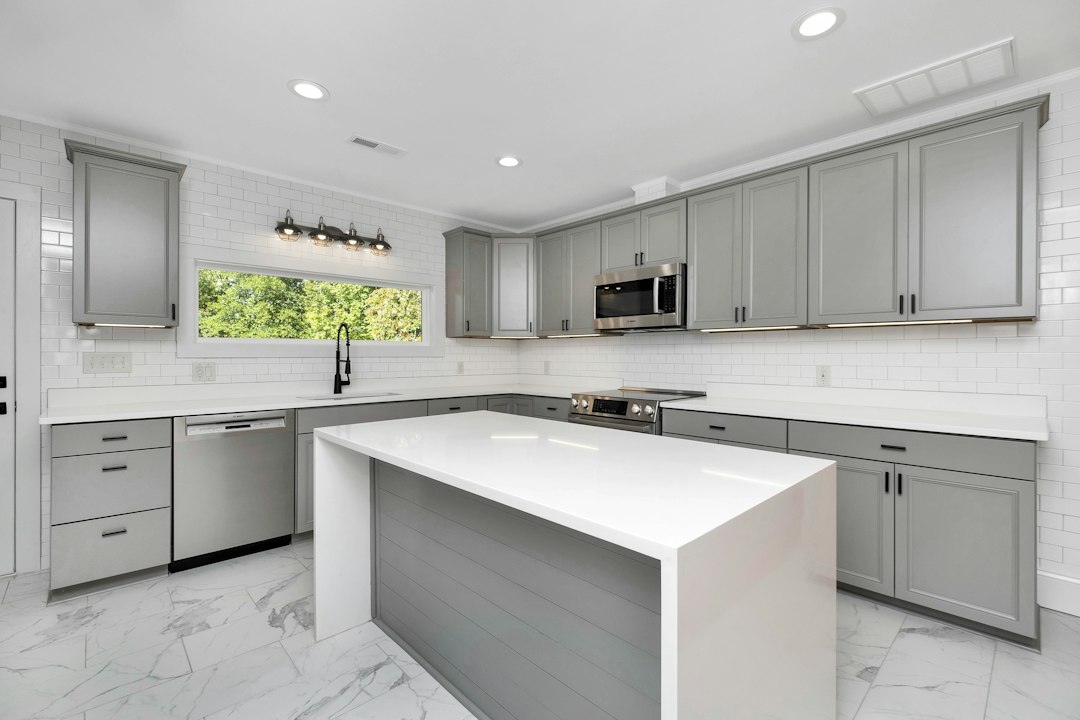
The Big Picture: Renovation Cost Singapore 2026 vs 2024
Here's what you need to know upfront — overall renovation costs have risen roughly 8–12% since 2024, but the composition of that spending has changed more than the headline number suggests. Labour costs climbed faster than materials this time round, a reversal from the 2022–2023 period when timber and steel price shocks dominated.
| Renovation Scope | 2024 Avg Cost (SGD) | 2026 Avg Cost (SGD) | % Change |
|---|---|---|---|
| 4-room BTO, basic package | $28,000–$35,000 | $32,000–$40,000 | +11% |
| 4-room BTO, full reno + carpentry | $45,000–$58,000 | $50,000–$65,000 | +10% |
| 5-room resale, moderate hacking | $55,000–$70,000 | $62,000–$80,000 | +13% |
| Condo (1,100 sqft), full reno | $70,000–$95,000 | $78,000–$105,000 | +10% |
The bottom line: if you're renovating a standard 4-room flat in Tampines or Punggol in 2026, expect to set aside at least $35,000–$40,000 for anything beyond the most bare-bones package, before you even add aircon, wardrobes, or that Instagram-worthy feature wall.
What's Driving the Price Hikes
1. Labour shortage is real, and it's biting harder
Singapore's construction workforce hasn't fully recovered to pre-pandemic density, and renovation-specific trades — tilers, electricians, carpenters — are feeling it most. Many contractors in 2026 are quoting labour at 15–20% above 2024 rates, especially for weekend or rush jobs near festive periods like CNY or Deepavali. If your timeline is flexible, scheduling work during off-peak months (April–June, September) can shave 5–8% off labour quotes.
2. BCA's updated Quality Mark framework
The Building and Construction Authority refreshed its renovation contractor accreditation criteria in early 2026, tightening requirements around structural work documentation and hacking permits. This is good news for consumers — fewer cowboy contractors — but it does mean accredited firms are charging a small premium (roughly 3–5%) to cover compliance costs. Always check a contractor's current BCA/CaseTrust status before signing anything.
3. HDB permit and hacking rule tightening
HDB has gotten stricter about structural wall hacking approvals since late 2025, following several enforcement cases in estates like Bukit Batok and Sengkang. Homeowners now need clearer method statements for any wall removal, and processing can take an extra 1–2 weeks. Budget-wise, this translates to higher documentation fees from contractors (typically $300–$800 extra) but reduces your risk of costly rework or fines down the road.
4. Material costs have actually stabilised — finally
Unlike the wild swings of 2022–2023, timber, laminate, and vinyl flooring prices have plateaued in 2026, with some categories like quartz countertops even dropping 5–7% due to oversupply from regional suppliers. This is the one bright spot keeping overall cost increases from being worse.
Pricing Trends You'll Notice on the Ground
| Item | 2025 Price (SGD) | 2026 Price (SGD) | Trend |
|---|---|---|---|
| Vinyl flooring (per sqft) | $3.50–$5.00 | $3.20–$4.80 | Slight drop |
| Kitchen carpentry (per linear ft) | $280–$380 | $300–$420 | Up (labour) |
| Electrical rewiring (whole flat) | $2,500–$4,000 | $2,800–$4,500 | Up |
| Painting (full flat) | $1,200–$2,000 | $1,300–$2,100 | Slight up |
| False ceiling (per sqft) | $10–$15 | $9–$14 | Slight drop |

Emerging Players: Digital Platforms Are Reshaping How We Hire
One of the clearest shifts in 2026 is how Singaporeans are sourcing contractors. More homeowners in estates like Woodlands, Jurong West, and Yishun are bypassing traditional showroom visits entirely, instead comparing quotes through online directories before even stepping into a renovation showroom at places like Balestier or Sungei Kadut. This has quietly pushed quote transparency up — contractors know buyers are comparing 3–4 quotes side by side, so padding has become harder to sustain.
There's also been a rise in modular and semi-prefabricated carpentry solutions, particularly for BTO kitchens and wardrobes. These shave 1–2 weeks off project timelines and can cost 5–10% less than fully custom carpentry, though design flexibility is more limited — fine if you want a clean, functional look rather than bespoke joinery.
Pros and Cons of Renovating in 2026
- Pro: Material prices are stable, so your quote won't blow up mid-project like it did in 2022.
- Pro: Stricter BCA and HDB rules mean fewer dodgy contractors slipping through.
- Con: Labour costs are up, and good contractors are booked 6–10 weeks out, especially before CNY 2027.
- Con: Permit processing for hacking work takes longer, so build buffer time into your move-in date.
Budget Tips for 2026 Renovations
- Get at least 3 quotes and compare line items, not just the bottom-line total — labour breakdowns vary wildly between firms.
- Avoid renovating in the 6 weeks before CNY or during the June/December school holidays — demand spikes and so do prices.
- Ask specifically whether your contractor is BCA Quality Mark or CaseTrust accredited under the 2026 framework — it affects both price and protection.
- Consider semi-modular carpentry for kitchens and wardrobes if you're on a tight 4-room BTO budget — it's one of the few areas where 2026 costs are actually flat or lower.
- Lock in your quote in writing before HDB permit submission — some contractors have been quietly adding

Image credit: Declan Sun / Unsplash
Need help finding the right provider?
Get free, no-obligation quotes from verified renovation providers in Singapore.
Get Free Quotes →