Senior Transport Singapore: An Expat Family's Guide
So your parents are moving in with you, or flying in for six months, and you've just realised Mum can't exactly hop on an MRT escalator with her walking frame. Welcome to Singapore. Getting around is easy here, but senior transport Singapore works quite differently from what most newcomers expect. Here's what you need to know before the first hospital appointment.
How senior transport works here vs back home
In many countries, adult children simply drive their parents around, or the state runs door-to-door dial-a-ride schemes. Singapore is different on both counts:
- Most families don't own cars. A Certificate of Entitlement (COE), the licence to own a car for 10 years, has recently cost well over $100,000 for bigger cars, before the car itself. So taxis, ride-hailing and private transport are the norm.
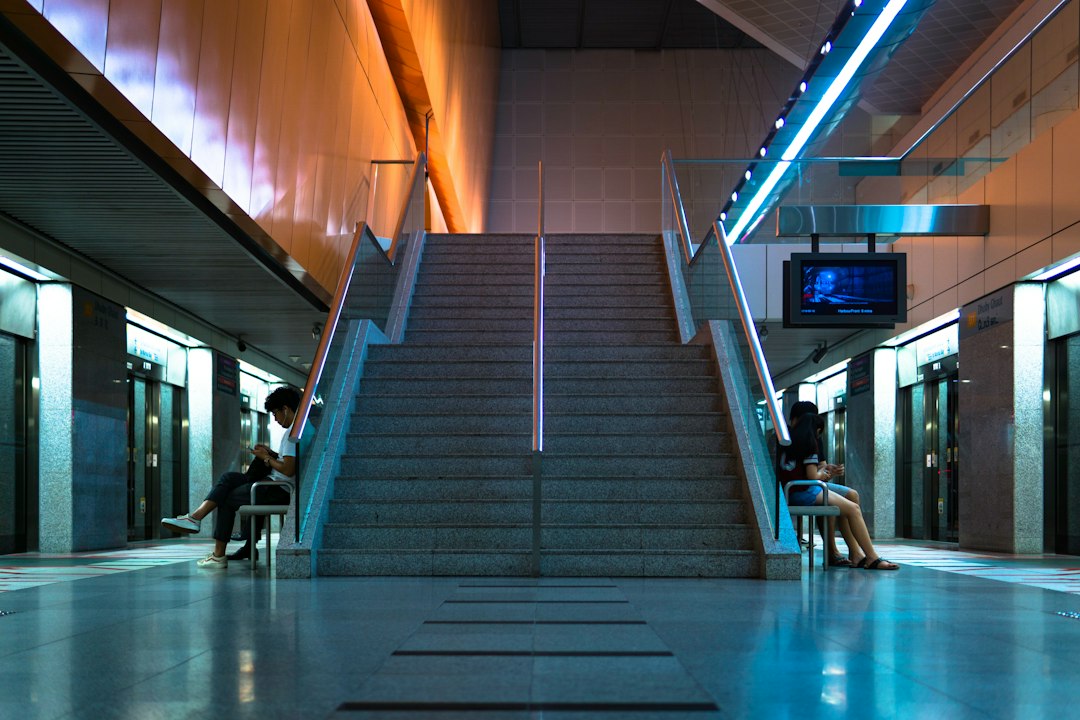
- Public transport is excellent but not hand-holding. MRT stations have lifts and buses have wheelchair ramps, but the journey is self-service. Peak-hour buses and long walks from void decks to bus stops can tire a frail senior fast.
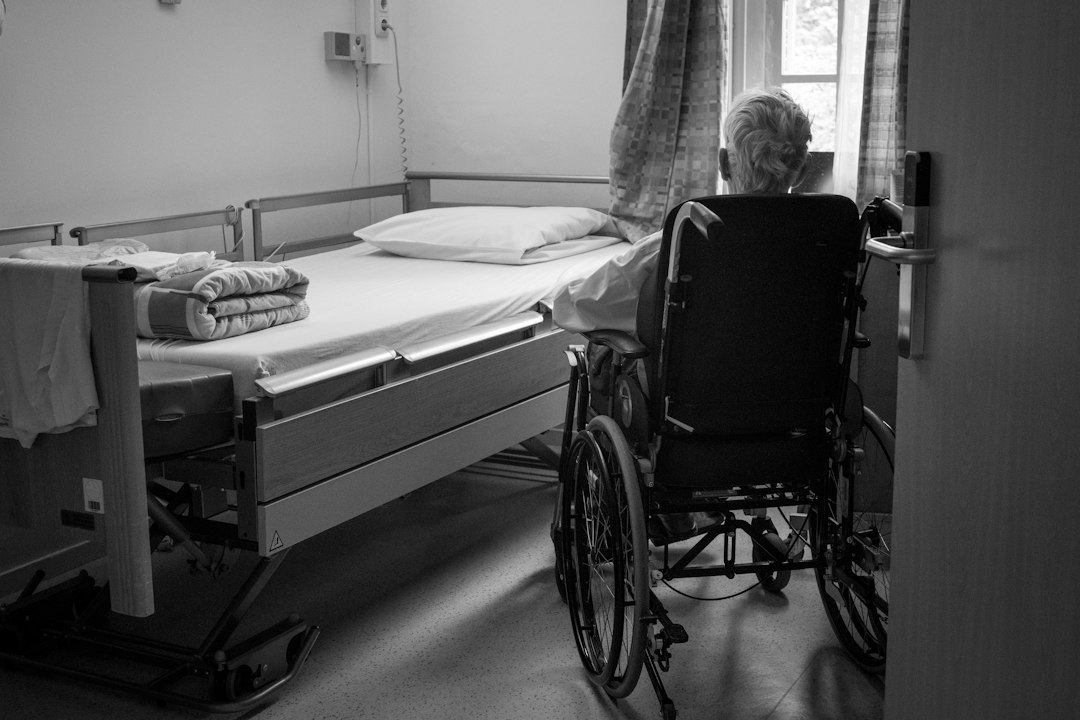
- Specialised transport is mostly private or charity-run. Wheelchair vans, stretcher transport and dialysis shuttles are provided by private operators and voluntary welfare organisations, and the subsidised ones generally prioritise citizens and PRs.
The bottom line: budget for door-to-door transport as a real monthly line item, not an occasional treat.
Paperwork and visa implications (decoded)
Let's clear the acronyms first:
- MOM = Ministry of Manpower, which handles work passes like the Employment Pass (EP) and S Pass.
- ICA = Immigration & Checkpoints Authority, which handles visit passes, including the Long-Term Visit Pass (LTVP) some parents may qualify for.
- CPF = Central Provident Fund, the compulsory savings scheme for citizens and PRs. Most expats on EPs don't contribute, and your parents won't have CPF or MediShield Life to lean on.
- HDB = Housing & Development Board, public housing where most locals live. Many expats rent condos or landed homes instead, though some rent HDB flats.
- Levy = a monthly fee employers pay the government for hiring a foreign worker. For a domestic helper, the standard levy is $300 a month. Some households with Singaporean seniors or children may pay a lower concessionary rate, so check MOM's current rules.
- TDSR = Total Debt Servicing Ratio, which caps property loan repayments at 55% of your income. It's not directly about transport, but it explains why many expat families keep housing near MRT lines and skip car loans entirely.
What matters for transport: if your parents are on a 30- or 90-day Social Visit Pass, or an LTVP, they typically don't qualify for the Senior Citizen concession fares or local subsidies. LTVP eligibility depends on your pass type and salary, and thresholds get updated, so confirm on the MOM and ICA websites rather than relying on a forum post from 2022.
Also buy travel or international health insurance that covers medical transport. A non-emergency ambulance trip is cheap compared with a hospital bill, but it adds up fast if every outpatient visit needs a stretcher.
What senior transport actually costs in SGD
Here are typical ranges for private options in November 2026. Prices vary by operator, time of day and distance.
| Option | Typical cost | Best for |
|---|---|---|
| Regular taxi or ride-hail (Grab, Gojek, ComfortDelGro) | $12–$30 per trip within town | Seniors who can walk and fold into a car |
| Wheelchair-accessible taxi | Metered fare plus possible booking fee, about $15–$40 per trip | Short hops with a foldable or manual chair |
| Private wheelchair van | $45–$90 one-way | Electric chairs, appointments, family outings |
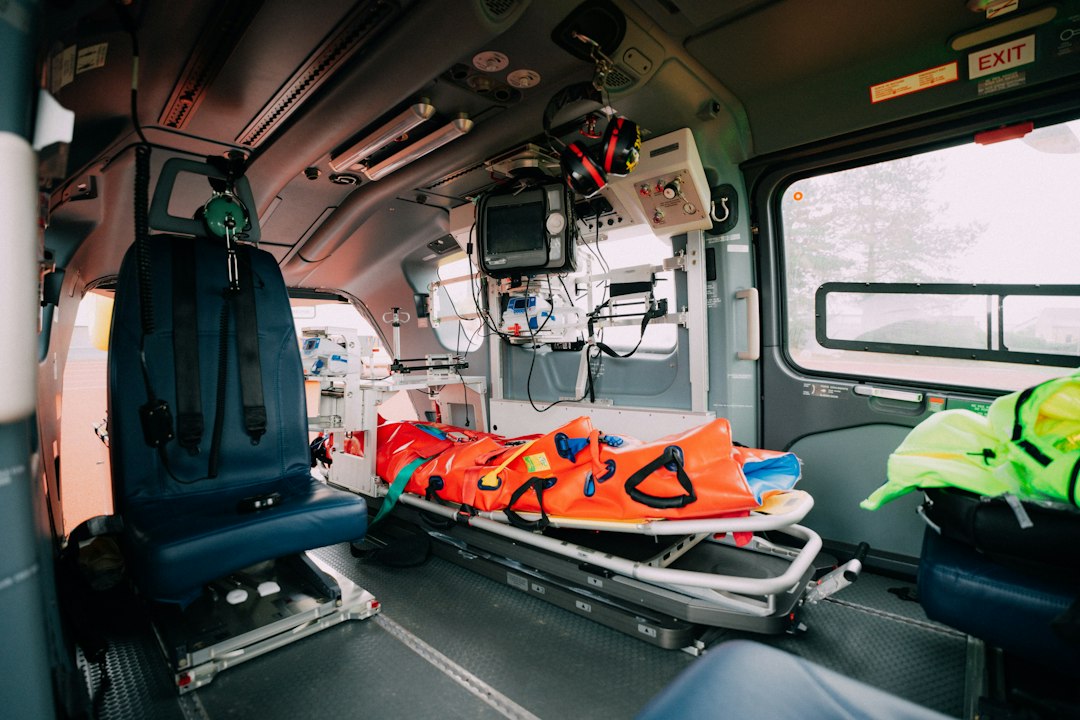
| Non-emergency ambulance (sitting or lying) | $90–$180 per trip | Discharge from hospital, bedbound patients |
| Hourly or half-day van hire with attendant | $60–$120 per hour, often a 2–3 hour minimum | Multi-stop days, such as specialist plus pharmacy plus lunch |
| Dialysis shuttle (private) | About $900–$1,300 a month for three round trips a week | Regular treatment schedules |
Budget tip: Ask for a package rate if you need repeated trips. Many operators drop per-trip pricing by 10–20% for weekly bookings. Also ask about waiting time charges before agreeing, because a three-hour specialist visit can turn a $60 trip into $150.
Public transport: cheap but conditional
Citizens and PRs aged 60 and above can get concession fares on buses and MRT. Foreign visitors generally pay adult fares, which are still modest at roughly $1–$2.50 per trip for most journeys. If your parent is steady on their feet, a mix of MRT, a lift-friendly route and a Grab for the last stretch is the most economical combination.
Neighbourhoods popular with expat families (and transport reality)
| Area | Why expats pick it | Senior transport note |
|---|---|---|
| Novena / Balestier | Close to Mount Elizabeth Novena and Tan Tock Seng Hospital | Shortest trips to medical hubs, so cheaper rides |
| River Valley / Orchard | Central condos, MRT access | Easy taxi availability, but traffic is heavy at peak hours |
| Holland Village / Bukit Timah | Cafes, international schools, green spaces | Fewer taxis off-peak, so pre-book for early appointments |
| East Coast / Katong | Beach parks, good food, family-friendly | Longer rides to central hospitals; Changi General is closer |
| Queenstown / Dover / Buona Vista | Near NUH and one-north | Convenient for NUH specialist visits |
If your parents will live with you long-term, choose a home near a lift-equipped MRT exit and a taxi stand, not just a pretty pool. You'll thank yourself in the rainy season.
Common pitfalls newcomers face
- Assuming subsidies apply to your parents. Most local schemes are tied to citizenship or PR status. Ask first, so you don't get a nasty surprise at the counter.
- Waiting until the day before to book. Wheelchair vans and non-emergency ambulances get snapped up for hospital discharge slots and morning appointments. Book at least 2–3 days ahead, a week for regular schedules.
- Confusing emergency and non-emergency ambulances. Call 995 (SCDF) only for real emergencies. For routine transfers, use a private non-emergency provider. Misusing 995 is frowned upon and may incur charges.
- Skipping the wheelchair measurements. Electric chairs and scooters can be heavy and wide. Give the operator the exact dimensions and weight, or the ramp may not fit.
- Relying on your helper for everything. A domestic helper can accompany your parent in a taxi or van, but she can't safely lift a heavy adult alone. For transfers, ask for a driver or attendant trained in patient handling.
- Not checking insurance. Some travel policies cover medical transport only for emergencies, not for routine follow-ups.
How to pick a provider without drama
- List your parent's needs: walker, manual chair, electric chair or stretcher.
- Ask whether the vehicle has a ramp or lift, and whether the driver helps with transfers.
- Get written quotes with waiting charges, ERP (road toll) and late-night surcharges clearly stated.
- Check reviews from other families, ideally from your area.
- Do a trial run for a short, non-urgent trip before committing to a monthly arrangement.
You can browse Find Senior Transport providers on KakiList to compare operators by service type and location.
The bottom line
For expat families, senior transport Singapore is less about finding any ride and more about matching the right vehicle to your parent's mobility, then budgeting realistically. Plan for roughly $200–$500 a month for occasional appointments, and $900 or more if you need regular treatment trips. Book early, ask about waiting fees, and don't assume local subsidies cover your family.
Ready to compare? Get free quotes from verified providers on KakiList and sort out your parents' rides before the next appointment.
Need help finding the right provider?
Get free, no-obligation quotes from verified senior transport providers in Singapore.
Get Free Quotes →