Senior Transport Singapore: 8 Myths That Cost You Money
Your parent has a specialist appointment at Tan Tock Seng on Tuesday, dialysis three times a week, and a stubborn dislike of anything that involves a ramp. Suddenly, transport becomes a logistics project. Before you resign yourself to taking leave every other day, let's clear up the myths that make families overspend, or worse, under-arrange. Here's what you need to know about senior transport Singapore style.
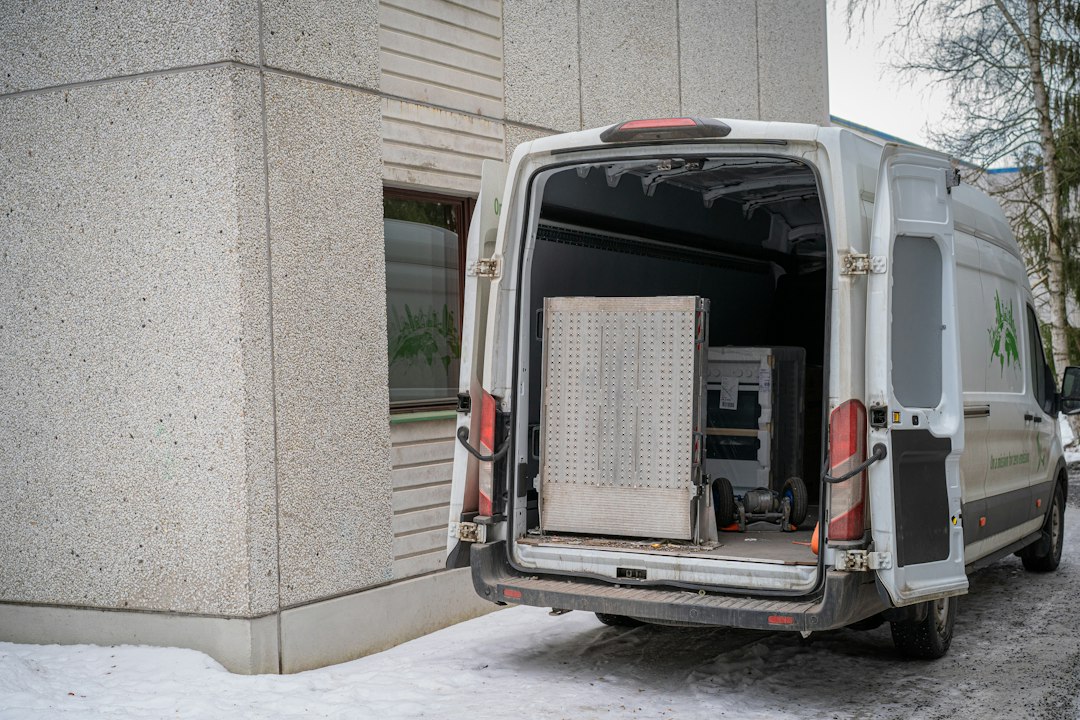
Myth 1: "Grab or a taxi is good enough"
Why people believe it: Apps are convenient, and a regular ride from Bedok to SGH costs only about $15 to $30.
The reality: That works only if your parent can walk, transfer into a car seat and sit upright for the whole journey. A manual wheelchair, a high-back chair or limited trunk mobility rules out most standard cars. Drivers are also not trained or obliged to help with transfers, and some trips get cancelled when the driver sees the wheelchair. For frail seniors, a purpose-built vehicle is a safety call, not a luxury.
Myth 2: "It's only for people in wheelchairs"
Why people believe it: The vans in the photos always have a ramp.
The reality: Many seniors who can still shuffle with a walking frame, have dementia, are recovering from a hip fracture, or tire easily after chemotherapy benefit from door-to-door help. An escort who walks them from the HDB lift lobby to the vehicle, and from the drop-off to the clinic counter, is the real value. Think of it as an assisted trip, not a mobility-device trip.
Myth 3: "It's always expensive"
Why people believe it: The first quote for a wheelchair van can make your kopi go cold.
The reality: Cost depends heavily on what you actually need. Here's a rough guide to typical one-way pricing (always confirm, as rates vary by provider, distance and time):
| Option | Typical one-way cost | Best for | Watch out for |
|---|---|---|---|
| Bus/MRT with concession | About $1 to $2 | Mobile, independent seniors | Crowds, long walks, stairs at some exits |
| Taxi / private hire | $12 to $30 | Seniors who can transfer to a car seat | No assistance, surge pricing in the rain |
| Wheelchair-accessible taxi / private hire | $15 to $40 | Foldable or ramp-friendly wheelchair users | Limited availability at peak hours |
| Private wheelchair van with escort | $50 to $90 | Regular medical trips, frail seniors | Waiting-time charges, extra for stairs |
| Non-emergency ambulance / stretcher | $90 to $180 | Bedbound patients, discharge from hospital | Often a minimum charge, and distance-based |
The point: you don't pay van prices for a taxi-suitable trip.
Myth 4: "Recurring trips will bankrupt us"
Why people believe it: Multiply $60 by six trips a week and you get a very sad number.
The reality: Regular riders can usually negotiate. Monthly packages or fixed-route rates for dialysis or rehab are common, and some dialysis centres and day-care centres run their own transport at a lower fee. Roughly 26 round-trip legs a month at $35 to $60 each works out to about $900 to $1,500. That is a lot, but also a figure you can bring down by pooling rides with a neighbour or asking about centre-arranged transport. The bottom line: ask about packages before you accept per-trip pricing.
Myth 5: "Government schemes will cover it"
Why people believe it: Singapore has many eldercare subsidies, so surely transport is covered?
The reality: Support exists but it's patchy. Some day-care and rehab centres include subsidised transport in their fee structures, and assistive-device funding is separate from ride costs. Most private wheelchair van trips are not subsidised. Ask your hospital medical social worker or the Agency for Integrated Care (AIC) what applies to your parent's situation before assuming either way. Eligibility depends on income, care needs and the centre.
Myth 6: "Public transport is cheaper, so just use that"
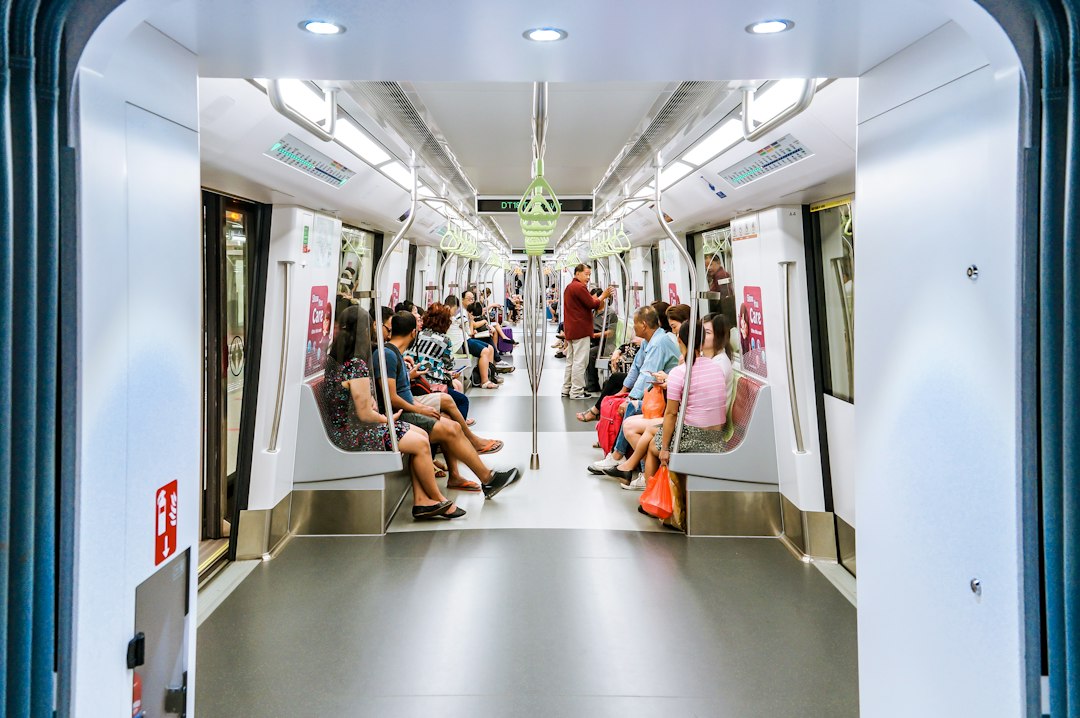
Why people believe it: Concession fares are cheap and our MRT stations are mostly barrier-free.
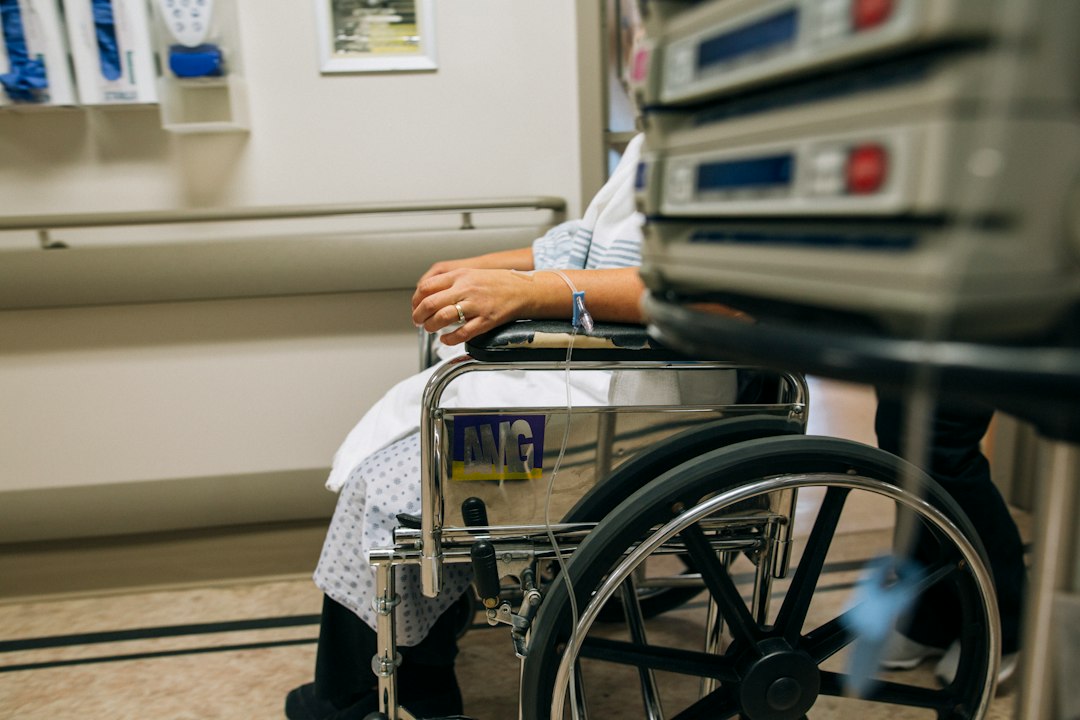
The reality: The fare is cheap; the hidden cost is not. A trip from Woodlands to Changi General can involve two transfers, lifts that sometimes go out of service, and 90 minutes of standing for a person with poor balance. A fall means A&E bills, possible admission and weeks of downtime. For a mobile senior on an easy route, public transport is great. For a frail one, a $50 ride may actually be the cheaper option.
Myth 7: "The driver is just a driver"
Why people believe it: We assume any person behind the wheel can handle the rest.
The reality: Good providers train staff in safe transfers, wheelchair strapping and basic handling for seniors with dementia or breathlessness. Ask about securing equipment (four-point tie-downs, seat belts), whether an escort is included, and whether drivers wait during appointments. Cheap rides without these basics are where you get into trouble.
Myth 8: "We can book on the day itself"
Why people believe it: It's Singapore. Everything is on-demand, right?
The reality: Accessible vehicles are limited, and morning slots for polyclinic and hospital appointments fill quickly, especially Mondays and Fridays. Book at least a few days ahead, and earlier for discharge days or recurring slots. Always confirm the pick-up time with a buffer, since Pasir Panjang and Bukit Timah can jam up before a 9am appointment.
Myth 9: "Using a service means we're not filial"
Why people believe it: Many of us grew up thinking family should do everything themselves.
The reality: Burning through annual leave, driving while exhausted and lifting a parent in and out of a car is how caregivers hurt their backs, and their jobs. Outsourcing the physical part of the trip lets you show up for the part that matters: sitting with your parent at the consultation. Being sensible isn't being less filial.
So what's actually true?
- Match the vehicle to the need. Taxi for simple trips, wheelchair van for frail or wheelchair users, ambulance only when lying flat is necessary.
- Escort help is the real value, not just the vehicle.
- Recurring trips can be negotiated. Ask about packages and centre-run transport.
- Subsidies exist, but not for everything. Check with AIC or your medical social worker first.
- Book early, and get rates in writing, including waiting time and stairs fees.
Getting senior transport Singapore right is mostly about asking three questions: What does my parent really need? What will it cost per month? And who is on the other end of the door? Browse Find Senior Transport providers to compare options, then Get free quotes from verified providers on KakiList and see which one fits your budget and your parent's comfort.
Need help finding the right provider?
Get free, no-obligation quotes from verified senior transport providers in Singapore.
Get Free Quotes →