Co-living Singapore FAQ: Your Complete Guide to Shared Living
21 May 2026 · 6 min read · Co-living Spaces
Understanding Co-living Basics
What exactly is co-living Singapore and how does it differ from regular rentals?
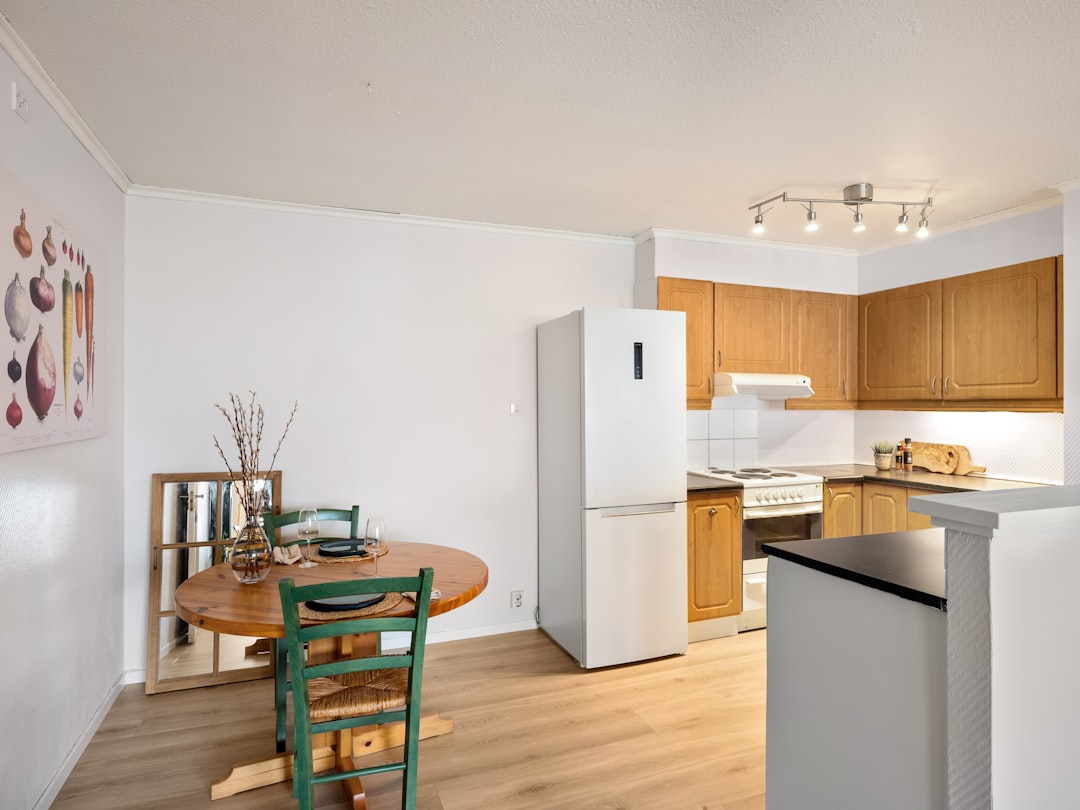
Co-living Singapore is a modern housing arrangement where you rent a private bedroom while sharing common areas like kitchens, living rooms, and sometimes bathrooms with other tenants. Unlike traditional HDB room rentals where you might share with just one family, co-living spaces are purpose-built or renovated specifically for shared living, often housing 6-20 residents.
The key differences? Co-living operators handle everything from utilities to cleaning, provide furnished rooms, and often include amenities like high-speed WiFi, laundry facilities, and 24/7 support. Think of it as the middle ground between a hostel and your own flat – you get privacy when you need it, community when you want it, and hassle-free living throughout.
Who typically chooses co-living spaces in Singapore?
The typical co-living resident is a working professional aged 22-35, earning between S$3,000-8,000 monthly. About 60% are expats on work passes, 25% are young Singaporeans waiting for their BTO, and 15% are students or career switchers. Many choose co-living because they're new to Singapore, want flexibility without long-term commitments, or simply prefer the convenience of all-inclusive living.
You'll find digital nomads, fresh graduates, mid-career professionals, and even some entrepreneurs who value the networking opportunities. The common thread? People who prioritise location, convenience, and community over having their own kitchen.
Costs and Pricing Structure
How much does co-living Singapore actually cost per month?
Here's the breakdown for different areas and room types in May 2026:
| Location | Private Room | Shared Room | Premium/Ensuite |
|---|---|---|---|
| CBD/Marina Bay | S$1,200-1,800 | S$800-1,200 | S$1,500-2,500 |
| Orchard/Somerset | S$1,000-1,600 | S$700-1,100 | S$1,400-2,200 |
| Bugis/Clarke Quay | S$900-1,400 | S$650-1,000 | S$1,300-2,000 |
| Outram/Chinatown | S$800-1,300 | S$600-950 | S$1,200-1,800 |
| Novena/Newton | S$750-1,200 | S$550-900 | S$1,100-1,600 |
These prices typically include utilities, WiFi, cleaning, and basic amenities. The bottom line? You're paying a premium for convenience – expect to pay 20-40% more than a comparable HDB room rental, but you're getting services worth S$200-400 monthly.
What additional costs should I budget for?
Most co-living Singapore operators advertise 'all-inclusive' pricing, but here's what might cost extra:
- Security deposit: 1-2 months' rent (refundable)
- Admin/booking fees: S$50-200 (one-time)
- Laundry: S$3-5 per wash/dry cycle
- Guest fees: S$20-50 per overnight guest
- Parking: S$150-300/month if available
- Premium amenities: Gym access (S$30-80/month), storage lockers (S$20-50/month)
Pro tip: Always ask for the full fee schedule upfront. Some operators charge for everything from key replacement (S$50) to early checkout fees (up to one month's rent).
Contracts and Legal Considerations
What's the minimum stay and how flexible are co-living contracts?
Most co-living Singapore providers offer three contract tiers:
- Short-term: 1-3 months at premium rates (+20-30% above standard)
- Standard: 6-12 months at listed rates
- Long-term: 12+ months with 5-15% discounts
The sweet spot? Six months gives you standard pricing with reasonable flexibility. Many operators now offer 'flex contracts' where you can extend monthly after your initial term, though expect to pay S$100-300 more per month for this privilege.
Early termination typically costs 1-2 months' rent, but some progressive operators allow free transfers between their properties or offer job-loss protection clauses.
Are co-living arrangements legally compliant in Singapore?
This is where it gets tricky. Most co-living spaces operate in commercial buildings or purpose-built developments, which is perfectly legal. However, some operate in converted HDB flats or private residential properties, which may violate housing regulations if they house more than the legally permitted number of tenants.
Red flags to watch for: Operators asking you to lie about your rental arrangement, properties with more than 6 residents in an HDB flat, or reluctance to provide proper tenancy agreements. Always ensure you receive a proper contract and that the property has the necessary licenses for commercial housing operation.
Living Experience and Practical Concerns
What amenities can I expect in a typical co-living space?
Standard inclusions across most co-living Singapore properties:
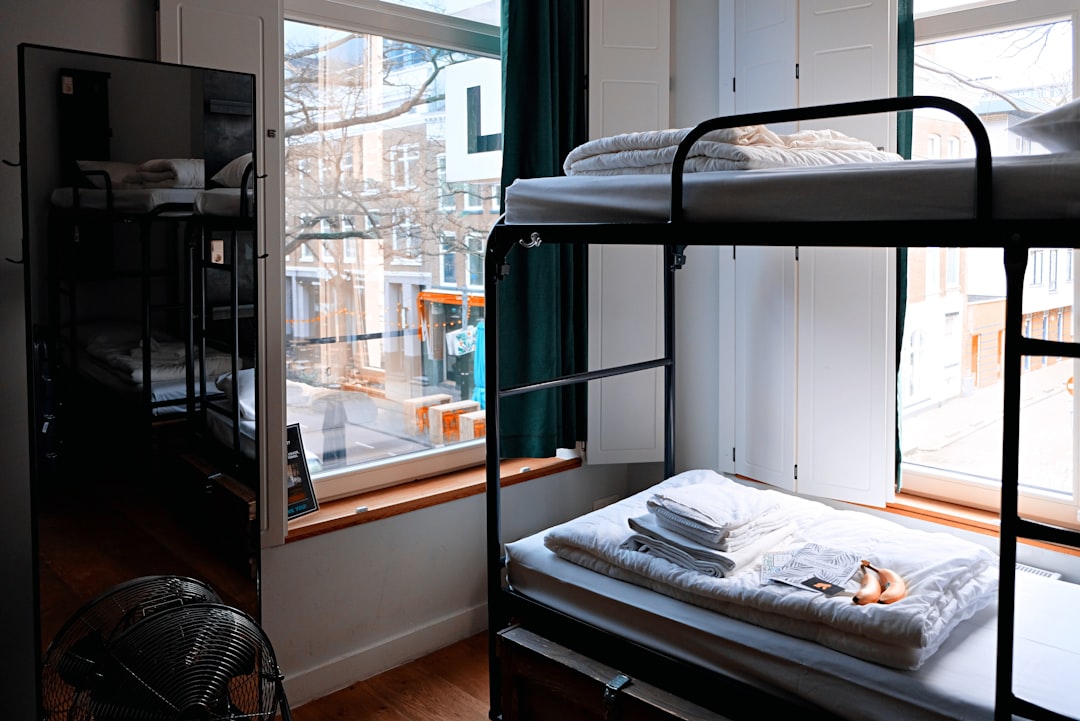
- In your room: Bed with storage, desk, chair, wardrobe, air-conditioning, power outlets
- Shared spaces: Fully equipped kitchen, dining area, living room with TV, high-speed WiFi
- Services: Weekly cleaning of common areas, utilities, maintenance support
- Security: Access cards, CCTV in common areas, secure mailboxes
Premium properties might add gyms, rooftop terraces, study pods, event spaces, concierge services, or partnerships with nearby facilities. But honestly? The basics matter most – reliable aircon, fast internet, and clean common areas will impact your daily life more than a fancy gym you'll use twice.
How do housemate matching and conflict resolution work?
Reputable co-living operators use basic screening (income verification, background checks) and lifestyle questionnaires to match compatible residents. Some even offer 'trial periods' where you can switch rooms within the first week if the fit isn't right.
For conflicts, most operators have house rules covering noise, cleanliness, guest policies, and shared resource usage. Better operators provide mediation services and have clear escalation procedures. The reality? Minor conflicts are common (someone always leaves dishes in the sink), but serious issues usually result in non-renewal rather than immediate eviction.
What about privacy and personal space?
Privacy levels vary dramatically. In premium co-living Singapore setups, you might have your own bathroom and rarely interact with others. In budget arrangements, you could be sharing bathrooms with 3-6 people and dealing with thin walls.
Key questions to ask: How many people share each bathroom? Are there quiet hours? Can you lock your room? Is there soundproofing? What's the guest policy? Some residents love the built-in social aspect, while others find it suffocating – know your personality before committing.
Practical Moving and Setup
How quickly can I move into a co-living space?
Most established operators can accommodate same-week move-ins if they have availability. The typical process:
- Day 1: Online application and virtual tour
- Day 2-3: Background verification and contract signing
- Day 4-5: Deposit payment and move-in scheduling
- Day 6-7: Move-in and orientation
However, popular locations and room types often have waiting lists, especially during peak seasons (January-March, August-September when students and expats arrive). Pro tip: Apply for multiple properties simultaneously to increase your chances.
What should I bring versus what's provided?
Definitely bring: Personal clothing, toiletries, laptop/electronics, important documents, any prescription medications.
Usually provided: Bed linens, towels, basic kitchen equipment, cleaning supplies, toilet paper for common areas.
Check before bringing: Rice cooker, hair dryer, iron, extra storage solutions, personal mini-fridge. Many operators provide these, but policies vary. The goal is to fit your life into 2-3 suitcases maximum.
Can I use a co-living address for official purposes?
Generally yes, but with caveats. Most co-living Singapore operators allow you to use the address for employment passes, bank accounts, and government correspondence. However, some banks or service providers might require additional documentation proving your tenancy.
For business registration or more formal purposes, check with your operator first. Some have specific procedures for handling official mail or may charge fees for mail forwarding services.
Making the Right Choice
How do I evaluate different co-living providers?
Beyond price, focus on these factors:
- Location connectivity: How far to nearest MRT? Is it on a direct line to your workplace?
- Operator reputation: Check Google reviews, ask current residents, verify business registration
- Property condition: Insist on physical viewing, check water pressure, aircon, WiFi speed
- House rules: Are they reasonable and enforced fairly?
- Exit flexibility: What if you need to leave early or extend?
The bottom line? The cheapest option usually comes with hidden costs or compromises. Budget for mid-range pricing and focus on operators with solid track records and transparent fee structures.
Ready to explore your co-living options? Find Co-living Spaces providers who can match you with suitable properties, or get free quotes from verified providers on KakiList to compare your options across Singapore's co-living market.
Need help finding the right provider?
Get free, no-obligation quotes from verified co-living spaces providers in Singapore.
Get Free Quotes →