Co-Living Spaces in Singapore: The Ultimate Guide 2026
TL;DR: Co-living spaces in Singapore are fully furnished rooms (private or shared) in a house or building, with utilities, wifi, cleaning, and community events bundled into one monthly rent. They're ideal for expats who want a soft landing without signing a 12-24 month lease, dealing with agent fees, or buying furniture. Expect to pay SGD 1,200–3,500/month depending on room type and location, with most contracts running 3-12 months. Read on for what to look for, the red flags to avoid, and how to compare providers before you commit.
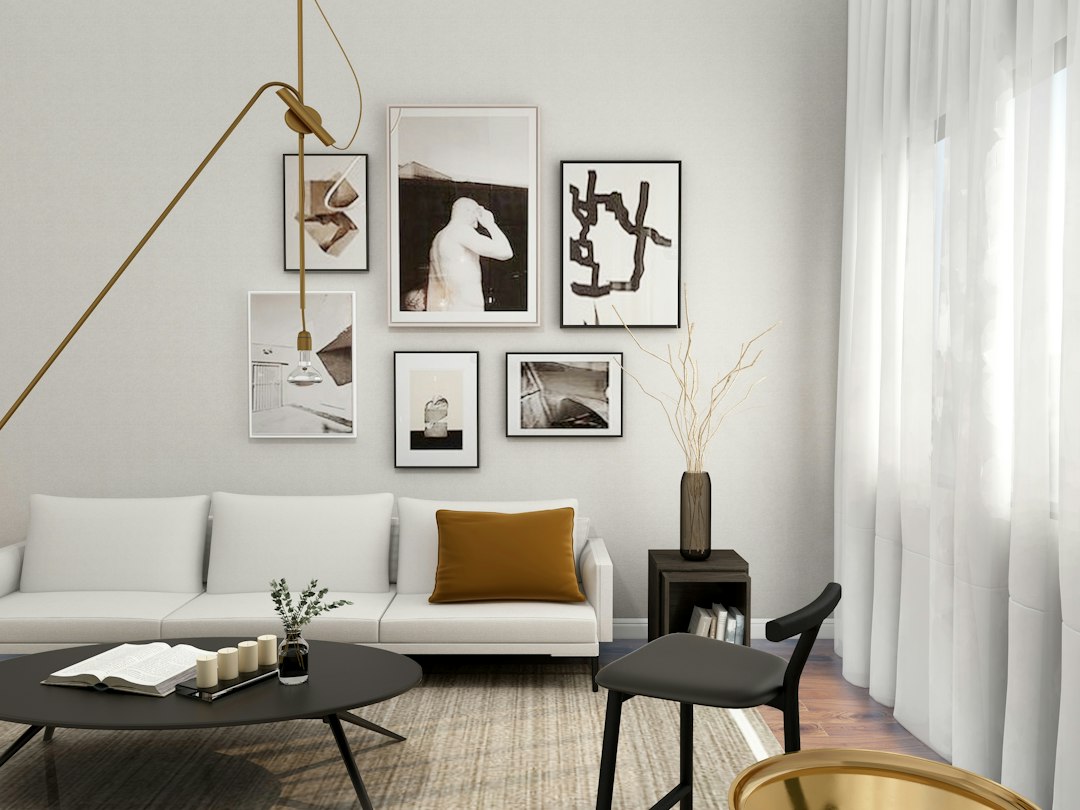
What Exactly Is Co-Living in the Singapore Context?
If you're arriving from London, Sydney, Mumbai, or Seoul, you've probably heard the term 'co-living' thrown around — but in Singapore it means something fairly specific. A co-living operator (think Hmlet, Cove, Coliwoo, or Lyf) leases or manages an entire property — sometimes a conservation shophouse in Tiong Bahru, sometimes a whole condo block, sometimes converted HDB shophouse units near Chinatown — and rents out individual rooms on flexible terms.
Unlike a typical Singapore rental where you'd need to furnish the place yourself, negotiate directly with a landlord, and commit to a long lease (plus a hefty security deposit), co-living spaces in Singapore come move-in ready: bed, wardrobe, aircon, wifi, and usually a cleaner who pops by weekly. Many also throw in community events — think rooftop BBQs or Friday drinks — which is genuinely useful if you've just landed and don't know a soul yet.
Who Should Consider Co-Living?
- New arrivals still figuring out which neighbourhood suits them before signing a longer HDB or condo lease.
- Young professionals on 1-2 year work passes who don't want to deal with furniture logistics.
- Digital nomads and remote workers who value flexibility over a fixed 2-year tenancy agreement.
- Single expats who want built-in community rather than an isolated condo unit in the suburbs.
If you're relocating with a family of four and need three bedrooms plus a maid's room, co-living probably isn't for you — a condo or landed property rental is the better fit. But for singles, couples, and even small families comfortable with compact living, it's worth serious consideration.

Pricing: What You'll Actually Pay
Pricing varies hugely by room type and district. Here's a realistic breakdown as of late 2026:
| Room Type | Monthly Rent (SGD) | Notes |
|---|---|---|
| Shared room (bunk/dorm-style) | 1,200 – 1,600 | Rare in Singapore; mostly budget operators near Jurong or Woodlands |
| Private room, shared bathroom | 1,600 – 2,300 | Common in Tiong Bahru, Balestier, Geylang shophouse conversions |
| Private room, ensuite bathroom | 2,200 – 3,000 | Popular in River Valley, Tanjong Pagar, Novena |
| Entire studio/apartment (co-living managed) | 2,800 – 3,500+ | Think Lyf or Coliwoo properties in Farrer Park or one-north |
For comparison, a standalone one-bedroom condo rental in a similar district would typically run SGD 3,200–4,500/month before furniture, utilities (budget another SGD 150-250), and wifi setup — plus a 2-month security deposit and possibly agent commission. Co-living bundles most of that in, which is why many first-timers find the sticker price more palatable even if the per-square-foot cost is technically higher.
What to Look For When Comparing Providers
1. Lease flexibility and notice period
Most co-living operators offer 3, 6, or 12-month terms. Shorter terms (under 6 months) often carry a 10-20% premium. Check the notice period required to leave — some require 60 days, others just 30.
2. What's actually included
Don't assume. Ask specifically whether the rent includes: utilities (and is there a usage cap?), wifi speed, cleaning frequency, laundry, and access to communal facilities like gyms or co-working lounges. Some operators advertise a low base rent then bill utilities separately once you exceed a modest cap — this catches a lot of newcomers off guard.
3. Location relative to MRT and your workplace
Singapore is small, but commute time still matters. A room in Tanjong Pagar or Outram Park puts you steps from the MRT and the CBD — great for bankers and lawyers. Families or those working in one-north (biomedical/tech hub) might prefer co-living near Buona Vista or Dover instead. Always map your actual commute before signing.
4. Building condition and noise
Many co-living spaces occupy older shophouses or converted pre-war buildings — charming, but check for proper soundproofing, lift access (shophouses often don't have lifts), and whether aircon units are centralised or individual (centralised units sometimes have limited operating hours).
5. Licensing and legitimacy
Any operator subletting rooms in Singapore should be operating within URA (Urban Redevelopment Authority) guidelines on minimum stay periods and should not be running an unlicensed hostel. Reputable platforms like Hmlet, Cove, Coliwoo, and Lyf are established; if a listing seems too cheap or the 
Need help finding the right provider?
Get free, no-obligation quotes from verified co-living spaces providers in Singapore.
Get Free Quotes →