9 Co-living Space Red Flags Singapore Renters Must Avoid
Co-living is having a real moment in Singapore. Fully furnished rooms, free Wi-Fi, no need to haggle over utilities, and you can move in with just a suitcase. Shiok, right?
But where got demand, there will be cowboys. TL;DR: not every co-living listing is what it seems, and some can cost you thousands in lost deposits or even leave you with nowhere to stay. Here are 9 red flags to check before you commit to any of the co-living spaces in Singapore.
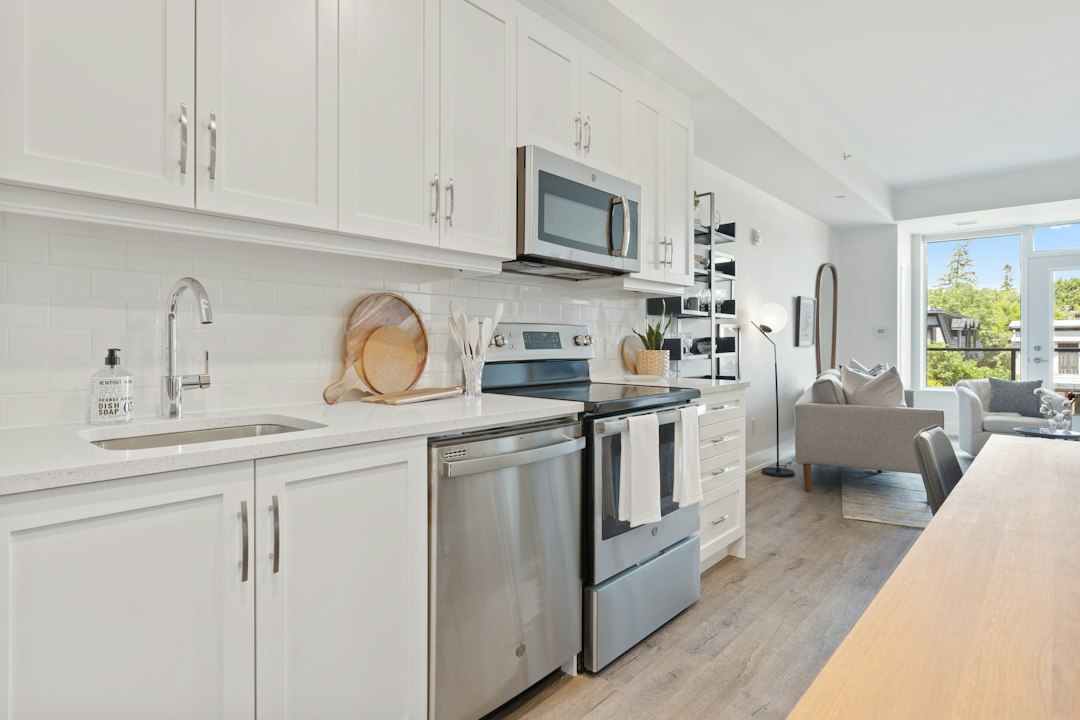
Image credit: Unsplash

First, What Should You Be Paying?
Know the market so you can smell a fishy price from afar. Rough monthly ranges in 2026:
| Location | Typical Co-living Room (SGD/month) |
|---|---|
| Heartland (Tampines, Woodlands, Jurong East) | $900 – $1,400 |
| City fringe (Geylang, Kallang, Tanjong Pagar) | $1,300 – $2,000 |
| CBD / Orchard / River Valley | $1,800 – $2,800 |
Got it? Okay, now let's get into the red flags.
1. The Price Is Too Good To Be True
What to watch for: A master room in Orchard for $900, fully furnished, all utilities included.
Why it's a red flag: Scammers use below-market pricing to create urgency. If it's 30–40% cheaper than similar listings nearby, something is off.
What legit providers do: Price in line with the area and clearly state what's included, such as cleaning frequency, Wi-Fi and aircon charges.
2. They Want Your Deposit Before You Step Inside
What to watch for: "Transfer now to hold the room, many people viewing!" Often from someone who says they're overseas.
Why it's a red flag: This is the classic Facebook and Carousell scam. Once you PayNow, the "landlord" goes poof.
What legit providers do: Allow in-person or live video viewings first, then issue a booking agreement with a clear refund policy. Pro tip: never pay before you've seen the unit and the contract.
3. Payment Goes To A Random Personal Account
What to watch for: The company name on the listing, but the PayNow number belongs to some individual with a different name.
Why it's a red flag: No paper trail and no accountability. Jialat if things go south.
What legit providers do: Accept bank transfers to a registered company account and issue receipts. You can check the business on ACRA's BizFile before paying.
4. No Proper Tenancy Agreement
What to watch for: "No need contract lah, just WhatsApp confirm."
Why it's a red flag: No contract means no protection for your deposit, notice period or rights if the operator chases you out.
What legit providers do: Provide a written agreement covering rent, deposit, lease length, notice period, house rules and exit terms. Read every clause, even the boring ones.
5. Vague About Whether The Unit Is Legally Allowed
What to watch for: Offers of 1-week or 1-month stays in a private condo, or a landlord who gets cagey when you ask about HDB or URA rules.
Why it's a red flag: Private residential properties generally have a minimum rental period of 3 months, and HDB flats require at least 6 months. Breaking the rules can get you evicted at short notice, even if you did nothing wrong.
What legit providers do: Operate within the rules or hold the right approvals, and are upfront about it. Check the latest requirements on the URA and HDB websites.

6. Pushy "Sign Today Or Lose It" Tactics
What to watch for: Countdown timers, "2 other people paying today", and pressure to skip the viewing.
Why it's a red flag: Pressure tactics are designed to stop you from thinking or checking.
What legit providers do: Give you a reasonable window, usually 24–48 hours, to review the contract and ask questions. Good operators are not desperate.
7. Hidden Fees Appear After You Move In
What to watch for: A listing that says "$1,200 all-in", then surprise charges for aircon, cleaning, laundry or "admin".
Why it's a red flag: It's a bait-and-switch. A $1,200 room can easily become $1,450 with add-ons.
What legit providers do: Give you an itemised list upfront. Ask about:
- Aircon usage caps or charges
- Utilities and Wi-Fi (flat or metered)
- Cleaning of common areas and rooms
- Admin, check-in or check-out fees
- Penalties for early termination
8. The Deposit Is Sky-High (And Refund Terms Are Murky)
What to watch for: Deposits of 3 months or more for a 6-month lease, or "non-refundable" clauses buried in fine print.
Why it's a red flag: The usual market norm is about 1 month's rent for every 12 months of lease, though co-living operators sometimes ask for 1 to 2 months. Anything much higher is a lobang for them, not for you.
What legit providers do: State the deposit amount, deductions allowed and refund timeline (typically within 7 to 14 days after move-out) in writing.
9. Zero Online Footprint Or Suspiciously Perfect Reviews
What to watch for: No website, no registered business, a Facebook page created last month, or reviews that all sound the same.
Why it's a red flag: Real operators leave a trail of resident feedback, photos of actual units and a verifiable address. Fake ones do not.
What legit providers do: Share real photos, let you speak to current residents and respond to questions on the record. Also ask whether an agent is involved. If so, check their name on the CEA public register.
ICYMI: reverse image search the listing photos. If they show up on a hotel or overseas rental site, run.
The Co-living Trust Checklist
Screenshot this before you go viewing. Tick every box before you pay a cent:
- ☐ I viewed the unit in person (or via a live video call)
- ☐ The operator is a registered business on ACRA
- ☐ The payment account name matches the company name
- ☐ I have a written tenancy agreement and read every clause
- ☐ Lease length complies with HDB or URA minimums
- ☐ All fees are itemised in writing
- ☐ Deposit is reasonable and refund terms are clear
- ☐ I spoke to a current resident or read independent reviews
- ☐ I got a receipt for every payment
- ☐ I did not feel rushed
If you can't tick at least 8 of the 10, walk away. Better paiseh now than regret later.
Find Co-living The Safer Way
Browsing random listings is a bit like blind-dating on Carousell. A smarter move is to start with providers who have been vetted. You can Find Co-living Spaces providers on KakiList, compare options and ask the right questions before you commit.
Ready to skip the stress? Get free quotes from verified providers on KakiList and find a co-living space you can actually trust.
Need help finding the right provider?
Get free, no-obligation quotes from verified co-living spaces providers in Singapore.
Get Free Quotes →