Co-Living Spaces In Singapore: The Ultimate Expat Guide
So You've Landed In Singapore — Now Where Do You Sleep?
ICYMI, Singapore's rental market is not for the faint-hearted. Between astronomical deposits, 2-year lease minimums, and landlords who ghost you faster than a bad Tinder date, finding a place as a newcomer can be jialat. Enter: co-living spaces.
If you're coming from London, Sydney, or San Francisco, you might already know the co-living concept — think WeWork but for sleeping. In Singapore, it's become the go-to lobang for expats who want flexibility without the headache of furnishing a whole flat or signing a soul-crushing 24-month tenancy agreement.
This guide breaks down everything you need to know about co-living spaces in Singapore — the paperwork, the costs, the best neighbourhoods, and the rookie mistakes that'll make you facepalm later.
1. What Exactly Is Co-Living (And How It's Different From Home)
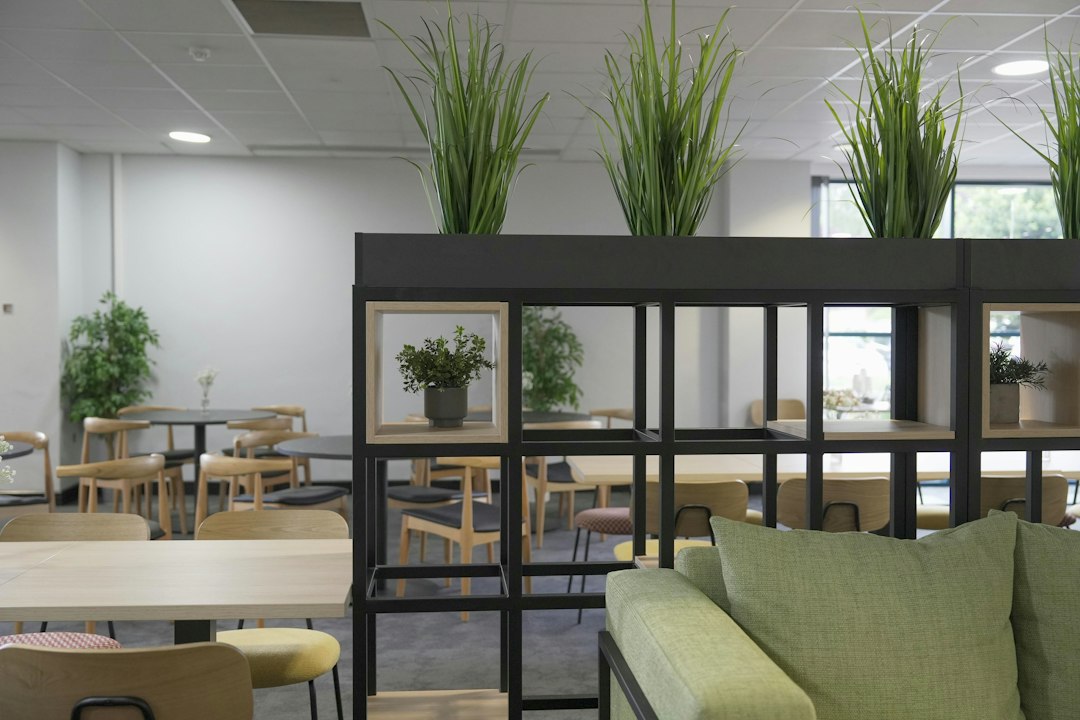
Co-living in Singapore usually means a private bedroom (sometimes ensuite) within a shared apartment or purpose-built building, with shared kitchen, living room, and sometimes a gym or rooftop deck. Operators like Hmlet, Cove, Coliwoo, and lyf handle everything — furniture, wifi, cleaning, utilities — all bundled into one monthly fee.
Compared to co-living in say, the US or UK, Singapore's version is more polished and hotel-like, partly because space is so tight here that operators compete hard on design. The trade-off? You're paying a premium for that convenience.
Unlike renting an entire HDB (Housing Development Board) flat or private condo unit the traditional way, co-living doesn't require you to deal with a landlord directly, negotiate a Tenancy Agreement from scratch, or furnish the place yourself. For someone who just touched down at Changi with two suitcases, this is huge.
2. The Paperwork: What Expats Actually Need
Before you even think about signing anything, here's the acronym soup you'll encounter:
- MOM (Ministry of Manpower): Issues your work pass (Employment Pass, S Pass, etc). You'll need a valid pass or in-principle approval before most landlords or operators will even entertain your application.
- EP/S Pass: Your work visa. Co-living operators typically ask for a copy as proof you're legally allowed to stay and work here.
- CPF (Central Provident Fund): Singapore's mandatory savings scheme — mostly irrelevant for rental unless you're a PR, but landlords sometimes ask about your employment status to gauge stability.
- TDSR (Total Debt Servicing Ratio): This applies to property purchases, not rentals, so don't stress about it unless you're buying.
For rentals (including co-living), you generally just need: passport, work pass (or in-principle approval letter), and proof of income. No local guarantor required, which is a relief compared to some countries.
Pro tip: unlike traditional rentals here which often require a security deposit of 1-2 months plus advance rent, most co-living operators only ask for 1 month deposit plus the first month's rent upfront. Much gentler on the wallet when you're still waiting for your first local paycheck.
3. How Much Does Co-Living Actually Cost?
Prices vary wildly depending on location, room type, and whether you want ensuite bathroom or shared. Here's a realistic breakdown as of October 2026:
| Room Type | Monthly Rent (SGD) | Best For |
|---|---|---|
| Shared room (bunk/twin) | $900 – $1,300 | Budget-conscious, first-time arrivals |
| Private room, shared bathroom | $1,400 – $2,000 | Solo expats wanting privacy |
| Private ensuite room | $1,900 – $2,800 | Mid-career professionals |
| Studio/1-bedroom co-living unit | $2,800 – $4,500 | Couples or those craving space |
Compare that to renting a whole HDB room via a traditional agent, which can go for $800-$1,200 but comes with none of the flexibility — you're usually locked into a minimum 6-month to 1-year stay, plus you need to buy your own furniture, fan, kettle, the works.
Also factor in: most co-living places include utilities, wifi, and cleaning in the price. Traditional rentals often charge these separately, and utilities here (especially aircon in our humid weather) can add $150-$300 a month easily.
4. Where Expats Actually Live: Popular Neighbourhoods
Location matters a lot in Singapore since everything revolves around MRT (Mass Rapid Transit) accessibility. Here's where co-living clusters tend to pop up:
- Tanjong Pagar / Tiong Bahru: Hip, walkable, close to the CBD. Great for finance and tech expats who want trendy cafes and shophouse charm.
- Orchard / River Valley: Central, upscale, near shopping malls. Pricier but super convenient.
- Novena / Toa Payoh: More heartland vibes, cheaper, still well-connected by MRT. Good if you want to experience
Need help finding the right provider?
Get free, no-obligation quotes from verified co-living spaces providers in Singapore.
Get Free Quotes →