9 Co-Living Space Mistakes Singaporeans Keep Making
Co-living has blown up in Singapore over the past few years — and it's not hard to see why. With BTO waiting times stretching past 4 years and private rentals easily hitting $3,000+ a month for a decent condo unit, a furnished room with built-in community vibes sounds like a steal. Operators like Hmlet, Coliwoo, Lyf, and Habyt have mushroomed across Tanjong Pagar, Novena, Bugis, and even out to Jurong.
But here's what you need to know: co-living isn't automatically the cheaper, easier option everyone makes it out to be on Instagram. We've seen tenants get burned by hidden fees, rigid contracts, and operators that disappear mid-lease. Below are the 9 most common mistakes people make when signing up for co-living spaces in Singapore — and how to avoid becoming a cautionary tale in some Telegram chat group.
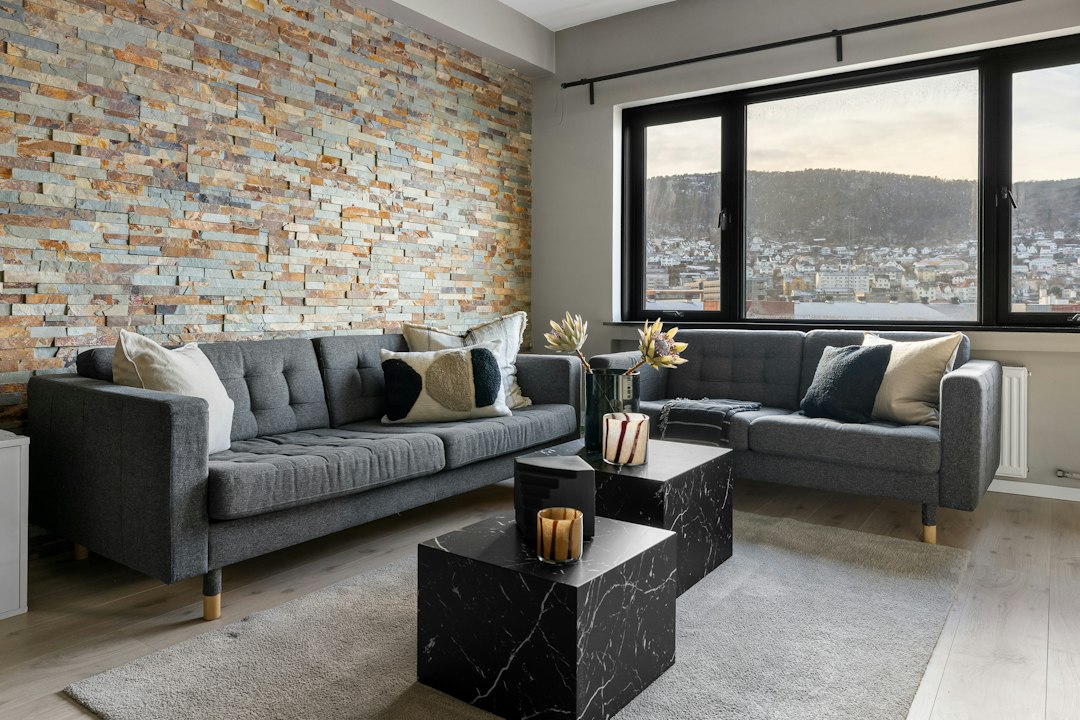
1. Not Reading the Minimum Stay Commitment Clause
Many co-living operators advertise "flexible stays" but bury a 3, 6, or even 12-month minimum commitment in the fine print. Break it early and you'll forfeit your deposit (usually one month's rent) plus sometimes an early termination fee of another month's rent.
What to do instead: Always ask for the exact minimum stay in writing before transferring any money. If you're not sure how long you'll be in Singapore (expat on a short contract, student doing an exchange semester), negotiate a 3-month minimum rather than defaulting to 12.
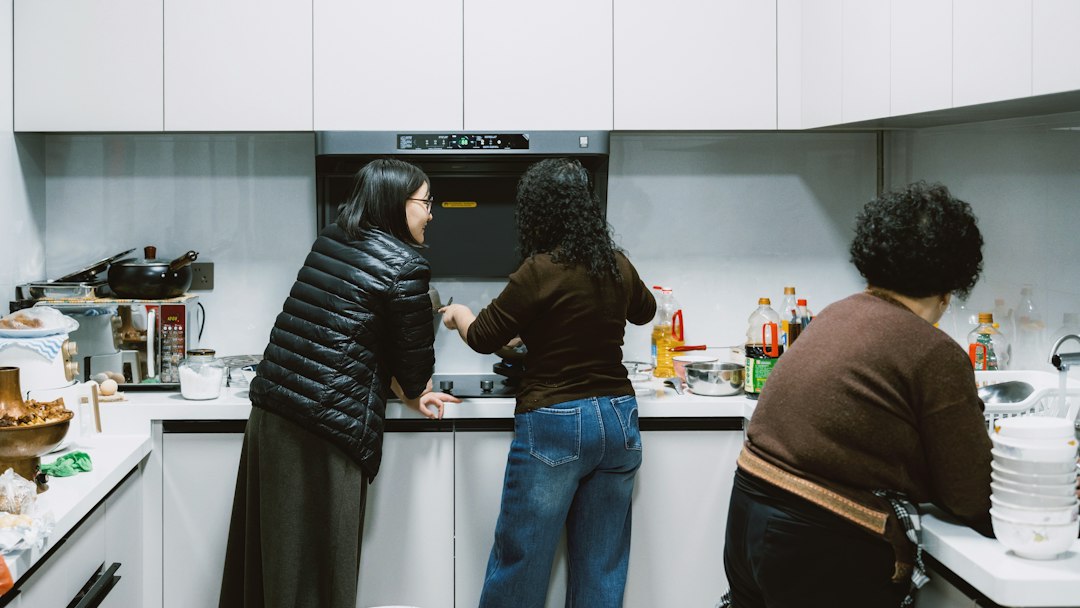
2. Choosing Based on Instagram Photos Alone
That dreamy rooftop lounge shot was probably taken with a wide-angle lens and zero furniture clutter. Co-living marketing photos are notoriously optimistic — the 
Need help finding the right provider?
Get free, no-obligation quotes from verified co-living spaces providers in Singapore.
Get Free Quotes →